by Editorial Team | Feb 12, 2026 | General News
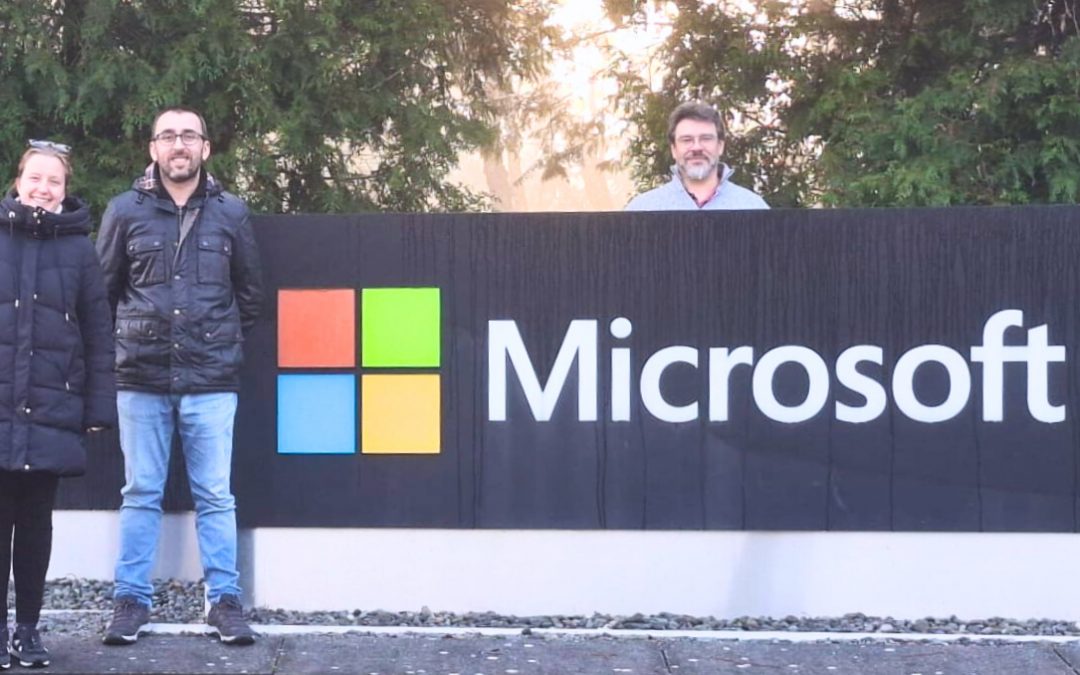
Teresa, José Miguel, and Joseba at Microsoft’s facilities in Redmond.
Feb 3rd, 2026, is a date that will not be easily forgotten at PhysioMRI Tech. Companies only get to have one first client, and ours is none other than Microsoft!
Last week, Michael Hansen and a dozen of his fellows at Microsoft Research were trained to operate their brand new PhysioMRI scanner, the first truly portable MRI system on the market. With this scanner, scientists and clinicians have the freedom to operate virtually anywhere on the globe, create arbitrary pulse sequences, and exploit unlimited access to the generated data and reconstructions.
Having long followed MSR’s extraordinary development and innovation track, we can’t help but wonder what new results are on the line with the MRI system!
Oh, and if you think your research could also benefit from a portable MRI scanner, make sure to reach out!
by Editorial Team | Feb 11, 2026 | Investors
PhysioMRI, a Spanish deep-tech company specialised in medical imaging technologies, has strengthened its financial position through the consolidation of €4.5 million in private capital raised to date, underscoring the company’s long-term viability and its capacity to attract sustained investor confidence.
In September 2025, PhysioMRI secured €2 million in new private investment, led by several Valencian family offices as well as relevant follow on contributions from previous stakeholders. This latest capital injection brings the company’s total private funding to €4 million, reflecting continued support from long-term investors as the company moves from development to regulatory and commercial execution.
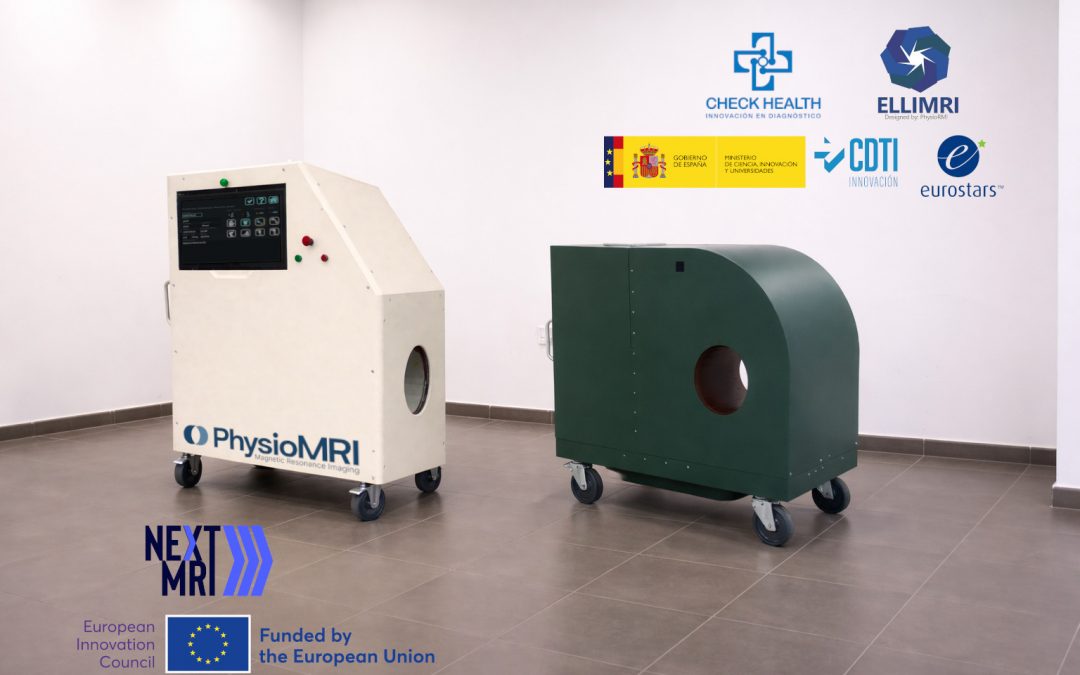
In parallel, PhysioMRI is actively developing NextMRI, a strategic innovation project supported by the European Innovation Council (EIC), together with additional European and national programmes including CDTI (Check Health and Neotec Projects) and Eurostars-3 in collaboration with CDTI (ELLIMRI Project). These projects focus on technological development, clinical validation and innovation activities aligned with European research and innovation priorities.
Expenditures related to CE marking in Europe and FDA clearance in the United States are fully financed through private investment, while public funding is mainly focused on RD challenges and reducing technological risk.
The financing process and capital strategy were structured and led by Jon Fatelevich, co-founder of PhysioMRI, together with Alfonso Ríos, CEO and co-founder, who jointly managed the strategic, financial and governance processes supporting the company’s scale-up phase.
This private funding enables PhysioMRI to progress towards CE certification and FDA approval by the end of 2026, a key milestone for the commercial deployment of its low-field MRI systems in both European and international markets.
A Scalable Low-Field MRI Technology with Reduced Infrastructure Requirements
Magnetic resonance imaging (MRI) is one of the most valuable diagnostic tools in modern medicine, offering high diagnostic accuracy without the use of ionising radiation. However, conventional high-field MRI systems remain expensive and infrastructure-intensive, typically requiring shielded rooms, specialised cooling systems, dedicated facilities and substantial electrical power.
PhysioMRI has developed a portable low-field MRI system weighing less than 500 kg, designed for plug-and-play operation without the need for shielded rooms or complex infrastructure. This significantly reduces installation costs and enables deployment in a wide range of settings, including regional hospitals, outpatient clinics, rural areas, emergency units, mobile healthcare services and temporary medical facilities.
Recent advances in low-field MRI technology allow PhysioMRI systems to deliver clinically relevant, high-quality diagnostic images while lowering total cost of ownership and operational complexity. This approach removes long-standing barriers to adoption and supports broader access to advanced medical imaging.
NextMRI and Clinical Validation
Within this framework, NextMRI represents PhysioMRI’s flagship innovation initiative, aimed at advancing the Technology Readiness Level (TRL) of its low-field MRI platform towards structured clinical validation and system optimization.
The NextMRI system is currently undergoing clinical testing at Hospital Universitari i Politècnic La Fe (Valencia). Additional trials are planned at Hospital La Salud, as well as at partner hospitals in the Netherlands (Bergman Clinics), forming part of a coordinated international validation strategy aligned with European clinical and regulatory standards.
Industrialization Strategy and Business Model
PhysioMRI expects to manufacture more than 10 systems during the current year, establishing the foundations for scalable industrial production. By 2027, the company aims to deploy at least 36 units, supported by a pay-per-use business model that significantly reduces upfront investment requirements for healthcare providers.
This model is designed to ensure recurring revenues, operational sustainability and accelerated market adoption, reinforcing PhysioMRI’s financial robustness beyond the duration of publicly funded projects.
Expected Impact
By combining sustained private investment with targeted European innovation support, PhysioMRI is positioned to translate advanced medical imaging research into deployable, market-ready solutions. The company’s low-field MRI technology has the potential to democratise access to MRI diagnostics, reduce costs per scan and extend high-quality imaging services to healthcare environments traditionally underserved by conventional MRI infrastructure.
Jon Fatelevich
Co-Founder PhysioMRI
by Editorial Team | Jan 12, 2026 | NextMRI
The role of NextMRI in hospital wards and emergency departments
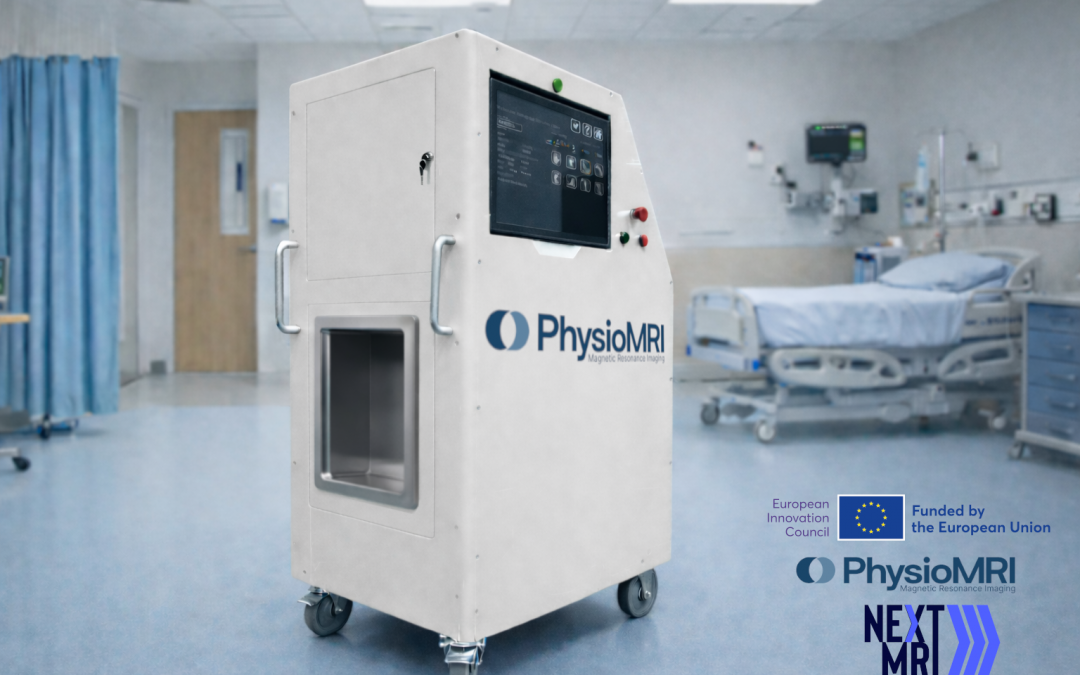
PhysioMRI, a Spanish company dedicated to the Medtech sector, is working on the development of NextMRI, a portable magnetic resonance imaging device designed to transform the use of medical imaging in hospital settings where conventional MRI is limited or simply unfeasible. Its proposal responds to a growing need: to bring the diagnostic capabilities of MRI to where the patient is, without relying on shielded rooms or complex transfers.
One of the key settings for resonance imaging is hospital patient rooms. In many cases, especially for bedridden patients or those with reduced mobility, transfer to a central radiology department involves clinical risks, resource consumption and diagnostic delays. A portable system allows basic extremity scans to be performed directly in the patient’s room, facilitating progress monitoring and supporting clinical decisions without disrupting the patient’s stability.
Emergency rooms represent another strategic area. In contexts where time is a decisive factor, having a portable MRI scanner can speed up the diagnostic process in selected cases, complementing other imaging techniques such as X-rays or CT scans. Although the portable device is not intended to replace high-powered systems, it does aim to fill a gap: providing useful clinical information quickly, safely and close to the point of care.
From an operational standpoint, the development of NextMRI focuses on clinical usability. The device’s design, simplified scanning protocols, and advanced post-processing support are intended to enable healthcare personnel to integrate it into their routine without the need for complex infrastructure. This approach is key to its adoption in hospital areas not originally designed to house MRI equipment.
Overall, the role of this portable MRI scanner in diverse hospital settings points to a paradigm shift: moving from a model focused on transferring the patient to the equipment to one in which the technology adapts to the clinical environment. With this approach, PhysioMRI is moving towards more accessible, flexible MRI that is aligned with the real needs of everyday hospital practice.

by Editorial Team | Jan 9, 2026 | ELLIMRI
PhysioMRI is committed to an agile and resilient diagnostic model for emergencies, rural areas and hard-to-reach environments
This project has received funding from the “Eurostars-3 Call 4” program, with co-funding from the CDTI and the European Union’s “Horizon Europe” Framework Program for Research and Innovation.
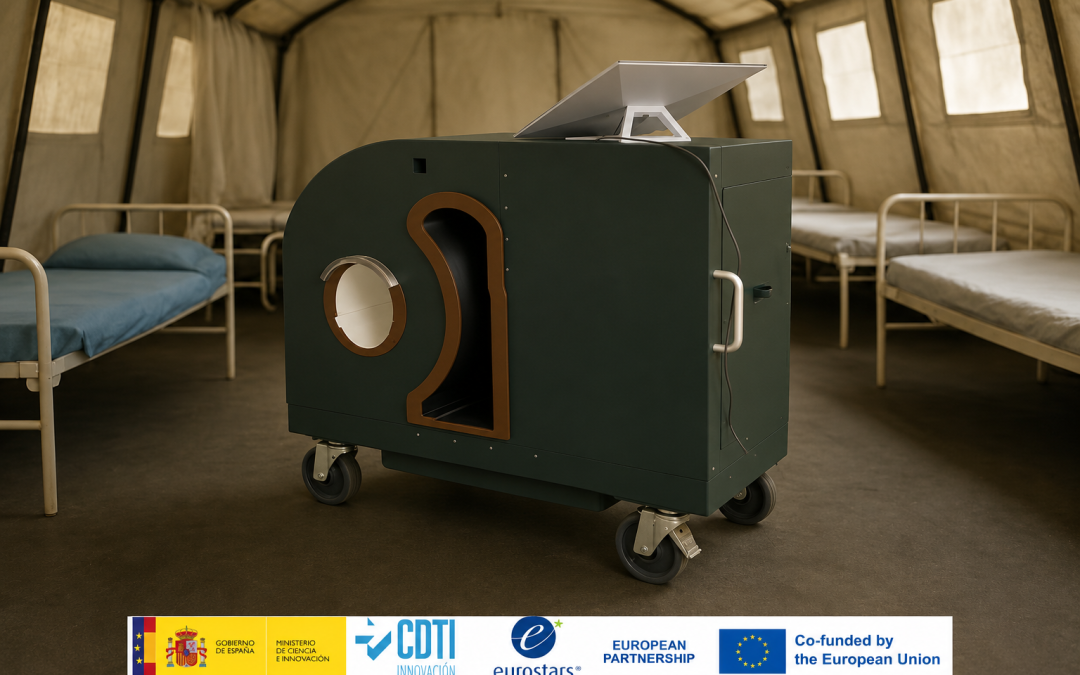
PhysioMRI, a company specialising in the research and development of portable magnetic resonance imaging (MRI) scanners, has made significant progress in the ELLIMRI Project, a line of portable MRI scanners designed specifically to operate in extreme environments. The objective is clear: to bring high-quality diagnostic imaging to contexts where conventional MRI is unfeasible, whether due to lack of infrastructure, energy limitations or adverse environmental conditions. At a time when medicine is seeking to reduce access gaps, this device is positioned as a technological response aimed at rural areas, humanitarian emergencies, and field hospitals.
One of the main milestones of the project is the optimisation of the system to work with minimal resources. The new MRI scanner has been designed with a compact and robust architecture, prioritising operational stability in the face of temperature variations, dust, humidity and vibrations associated with transport. Unlike traditional installations, which require dedicated rooms and auxiliary equipment, PhysioMRI’s approach is ‘install and operate’: rapid deployment, simplified calibration and continuous operation in complex logistics environments.
At the same time, the project has focused on energy autonomy. The latest developments incorporate optimised consumption modes, designed to work with unstable electricity grids, generators or hybrid solutions. This is particularly important for rural areas and rapid response devices in the event of disasters, where the continuity of clinical service depends, to a large extent, on the equipment’s ability to adapt to the reality on the ground.
Another notable advance is the evolution of the clinical workflow. The medical device is geared towards agile and repeatable protocols that facilitate its use by healthcare teams with different levels of specialisation. The integration of support software guides image acquisition and reduces operational errors. In addition, the system is designed to integrate with telemedicine circuits, so that scans can be monitored or reported remotely when there is no radiologist on site.
With the ELLIMRI project, PhysioMRI is not only seeking to miniaturise complex technology, but also to redefine where and when magnetic resonance imaging can be performed. The potential impact is significant: earlier diagnosis, better-informed clinical decisions and frontline care capabilities, even in the most demanding scenarios. In short, this medical device represents a significant step towards truly mobile, resilient and accessibility-focused medical imaging.
Funded by the CDTI

by Editorial Team | Nov 28, 2025 | General News
The Spanish company has reinforced its commitment to safety, traceability and continuous improvement
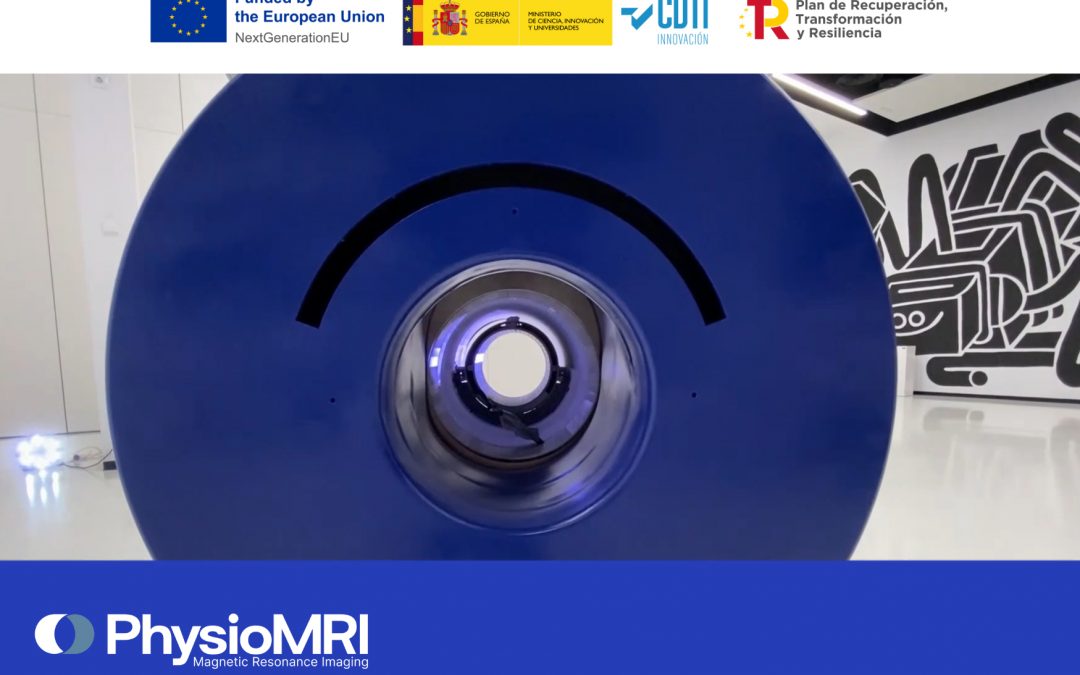
PhysioMRI, a company dedicated to the research and development of portable magnetic resonance imaging systems, has already received ISO 13485 certification, an international standard that accredits quality and safety in the design and manufacture of medical devices. This achievement represents a decisive step in consolidating the company as a technological benchmark in the advanced medical imaging sector.
The ISO 13485 standard establishes the requirements that quality management systems applied to medical devices must meet, from the initial stages of research to production, distribution, and technical support. Its purpose is to ensure that each product is developed under controlled, reproducible processes focused on patient and user safety. For PhysioMRI, this certification represents external validation of the methodological rigour with which it has been working on the development of its portable magnetic resonance imaging devices, a technology that promises to transform clinical and research environments.
The certification process has involved a comprehensive review of internal procedures, technical documentation, quality controls, component traceability and risk management mechanisms. The company has strengthened its verification and validation protocols, optimised its workflows, and adopted new control tools to ensure the reliability of each of the subsystems in its portable MRI equipment. Thanks to these improvements, PhysioMRI not only complies with international regulatory standards, but also increases the efficiency and consistency of its operations.
One of the most important aspects for PhysioMRI is that ISO 13485 does not merely validate the final product, but also requires an organizational culture focused on quality. This includes staff training, document management, supplier validation, manufacturing process control, and the implementation of clear post-marketing surveillance protocols. For a technology as sensitive as portable MRI, these criteria are essential to minimize risks and ensure reliable clinical performance.
In addition, obtaining ISO 13485 certification facilitates the entry of this new MRI into international markets. Many regulatory bodies, such as the FDA in the United States or the European Medicines Agency (EMA), consider this standard to be a prerequisite or a key element in approval dossiers. In this way, certification becomes an accelerator for technology transfer, allowing the device to reach hospitals, clinics, and research centers with the necessary guarantees.
ISO 13485 certification represents a strategic milestone for PhysioMRI. It marks the beginning of a new era in which innovation, quality and safety come together to drive the next generation of portable MRI systems.

by Editorial Team | Nov 13, 2025 | NextMRI
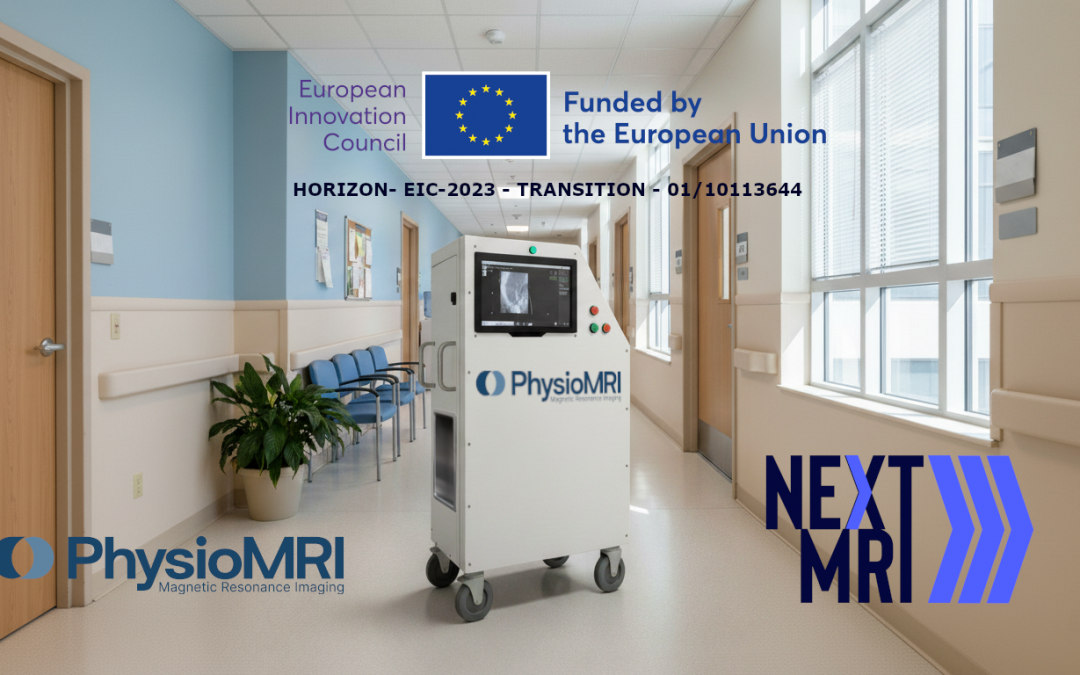
PhysioMRI moves towards clinical validation of NextMRI with trials in internationally renowned hospitals, bringing portable magnetic resonance imaging to new healthcare settings.
In the ever-changing landscape of medical technology, the NextMRI project, developed by Spanish company PhysioMRI, represents a decisive step towards the democratisation and accessibility of magnetic resonance imaging (MRI). This initiative seeks to break with the traditional limitations of conventional MRI equipment by offering a portable, efficient, high-resolution system that redefines the standards of diagnostic imaging. To this end, the Spanish company is addressing these challenges through an innovative design that combines technological miniaturisation, energy efficiency and ease of transport, allowing MRI to be taken beyond traditional hospital settings.
Towards clinical validation: upcoming trials in leading hospitals
Following a successful phase of development and technological integration, the NextMRI project is now preparing for a key step: clinical trials in real hospital settings.
Over the coming months, the system will be evaluated in collaboration with two prestigious institutions: the Hospital Universitari i Politècnic La Fe in Valencia and the Bergman Clinics Hospital in Netherlands.
These trials will validate the clinical performance, image quality and usability of the portable device in different healthcare settings.
The common goal is to confirm the diagnostic reliability of the system and its ability to integrate into current medical workflows, providing a flexible and accessible alternative to traditional MRI equipment.
A new horizon in diagnostic imaging
This project symbolises the convergence of engineering and medical science, offering a solution that redefines how and where magnetic resonance imaging studies can be performed.
With its compact design, low power consumption and advanced connectivity, this device promises to bring MRI to wherever it is needed — from large hospitals to rural clinics or mobile units — bringing the future of diagnostic imaging into the present.
With this commitment, PhysioMRI consolidates its leadership in the field of portable magnetic resonance imaging, ushering in a new era of accessibility, precision and mobility in modern medicine.
The upcoming clinical trials at La Fe in Valencia and Bergman Clinics mark a decisive milestone in this journey, bringing the technology of the new medical device closer to its final validation and the beginning of a new era in medical imaging.

by Editorial Team | Jul 30, 2025 | Investors
The Valencia-based company is backed by strategic investors such as Fernández Sierra and Alonso Senent to advance its mission to revolutionise magnetic resonance imaging with accessible, state-of-the-art technology.
PhysioMRI, a leading Spanish company in the development of portable magnetic resonance imaging, is capturing the attention of the medical and technological community thanks not only to its innovation, but also to the backing of strategic investors who bring experience, vision and a strong commitment to the transformation of the healthcare sector. Among them are figures such as Sergio Fernández Sierra and Jorge Alonso Senent, leaders in the entrepreneurial and healthcare ecosystem.
Sergio Fernández Sierra, founder of Servicios Hospitalarios S.L., brings to PhysioMRI a valuable perspective from the field of hospital management. With an extensive track record in the implementation of technological solutions in clinical environments, Fernández Sierra has been instrumental in identifying real needs in hospitals and diagnostic centres, which has allowed PhysioMRI to adapt its developments to practical and operational contexts. His knowledge of the inner workings of the Spanish healthcare system makes him a strategic ally for product validation and scaling.
Jorge Alonso Senent, managing partner of Evalue Innovación S.L., comes with a strong specialisation in R&D&I financing. His company has established itself as a benchmark in advising on how to obtain public aid and tax deductions for innovation projects. Alonso Senent brings not only capital, but also a network of institutional contacts and technical knowledge to maximise the available resources and accelerate the company’s growth. Thanks to his participation, PhysioMRI has been able to optimise its innovation strategy and access key lines of financing for its technological development.
The backing of experts with proven experience in complementary areas – hospital management and innovation – strengthens the viability of the Valencian company’s projects and opens up new opportunities for public-private collaboration. This backing is one of the factors that has enabled PhysioMRI to position itself as one of the most promising start-ups in the field of medical technology, and to make progress in the development of promising alternatives to conventional diagnostic imaging devices, such as its portable MRI.
In a context where accessible medical care is more urgent than ever, PhysioMRI is steadily advancing towards its goal: democratising access to high quality imaging diagnostics. The support of investors such as Fernández Sierra and Alonso Senent not only validates the technological proposal, but also propels it towards a real application with direct social impact.
by Editorial Team | Jul 22, 2025 | NextMRI
From non-ferromagnetic chassis to software integration: this is how the next generation of medical imaging is built
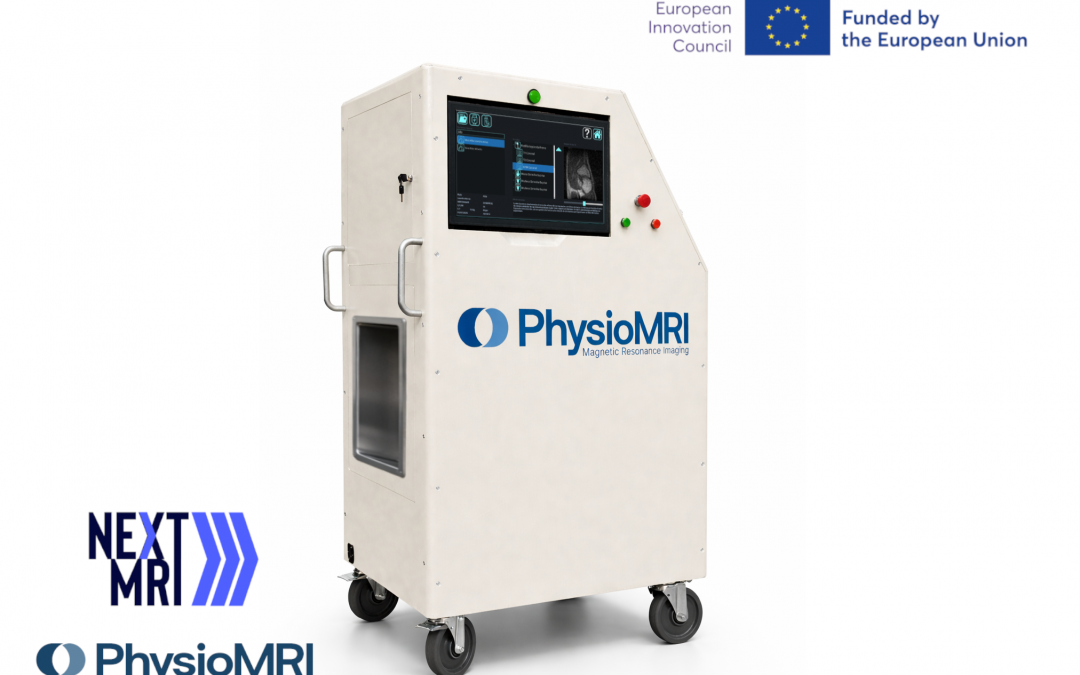
The NextMRI project, led by Spanish medtech company PhysioMRI, marks a milestone in the evolution of portable magnetic resonance imaging with the development of a compact, efficient and accessible device. The prototype assembly process is a critical phase that combines precision engineering, design and strict biomedical safety standards.
Assembly begins with the main structure, a lightweight but robust chassis that supports the low-power permanent magnet, the functional core of the system. This chassis is manufactured from non-ferromagnetic alloys to prevent interference and ensure magnetic field stability. Its design allows for quick adjustments during the validation phase and facilitates future iterations of the prototype.
Once the base structure and main magnet have been installed, the team proceeds to assemble the gradient system and radiofrequency (RF) coils. These coils are integrated using supports that ensure geometric precision and signal optimisation. Initial calibration is performed during assembly, ensuring that each coil meets the field uniformity required for quality images.
The next step involves installing the electronic system, which includes RF amplifiers, control modules, power supplies, and the data acquisition board. Each component is assembled under electromagnetic compatibility protocols to minimise noise and maximise signal stability. Connectivity between modules is organised using cabling and internal channels that optimise both safety and ease of maintenance.
Once the hardware has been integrated, the control and reconstruction software is implemented and tested directly on the assembled device. This allows communication between sensors, actuators, and the central processing system to be verified.
Finally, the NextMRI prototype undergoes functional verification and safety testing to ensure that the assembly complies with international medical device regulations.
The result is an innovative portable magnetic resonance imaging system, the product of meticulous assembly that reflects PhysioMRI’s commitment to technological excellence and the democratisation of diagnostic imaging.

by Editorial Team | Jul 10, 2025 | General News
The first portable magnetic resonance imaging device, developed with technology from the Valencian company and backed by prominent investors such as Claver and Rodrigo del Prado, is expected to go on sale in 2027
The Spanish company PhysioMRI, specialized in research and development of portable magnetic resonance imaging (MRI) technologies, has been officially launched with its innovative tech-medical initiative, aiming to radically transform access to and application of MRI in clinical, research, and hard-to-reach settings, such as field hospitals.
The launch event, held at the Veles e Vents building in Valencia, brought together prominent professionals from the medical, technological, and scientific fields, as well as project investors. Among the attendees were Rodrigo del Prado, founder of the Spanish tech brand BQ, Víctor Claver, former player of Valencia Basket and the Spanish National Basketball Team, and Dr. Luis Martí Bonmatí, Director of the Medical Imaging Clinical Area at the University and Polytechnic Hospital La Fe in Valencia. Four of PhysioMRI’s co-founders also took part in the event: Alfonso Ríos (CEO), José María Benlloch, Joseba Alonso, and Jonatan Fatelevich.
During his speech, Alfonso Ríos addressed several key aspects of the company, such as financial management — where audits and project verification are conducted — and the MRI manufacturing and production environment, emphasizing that “this is the place where all the reception and assembly processes take place.” He also pointed out that all the MRI machines they’ve built so far “function the same way.” Furthermore, he highlighted the Quality System division, where certifications are obtained, including the official certification required for the manufacturing of medical devices.
In his turn to speak, José María Benlloch stated: “We are looking at a technology that can bring MRI to every clinic, every hospital, every corner of the world where it is currently inaccessible. This is not an evolution — it’s a revolution in access to medical diagnostics.”
Meanwhile, Joseba Alonso offered a more detailed perspective on the development of the MRI system. He explained how this new generation of portable scanners integrates advanced ultra-low magnetic field technologies, custom acquisition electronics, and image reconstruction algorithms based on artificial intelligence. Alonso also highlighted another vital feature of PhysioMRI’s new machines: portability. “What would be needed to transport the MRI to places like a village in Africa? You’d need a trailer, anchors, stabilizers, or a ramp to lower the device and perform MRIs outside the trailer itself.”
During Alonso’s presentation, a technical demonstration of the functional prototype of the medical device was carried out, sparking great interest among attendees, especially due to its compact design, intuitive interface, and ability to acquire clinically relevant images in a matter of minutes.
Lastly, Jonatan Fatelevich, who oversees the strategic and commercial side of the project, stated: “We want to place our MRI in every clinic in the world.” He also emphasized their goal to adopt a “pay-per-use” model, referring to the payment system used for photocopiers, at a much lower cost than traditional MRI scans. Based on this strategy and calculations, he noted that if a clinic performed 10 MRIs per day for 22 days a month, the investment in the medical device would be recovered in about six months.
In this way, PhysioMRI reaffirms its position as a European leader in portable MRI technologies, betting on disruptive innovation in the service of healthcare and science.
by Editorial Team | Jun 30, 2025 | ELLIMRI
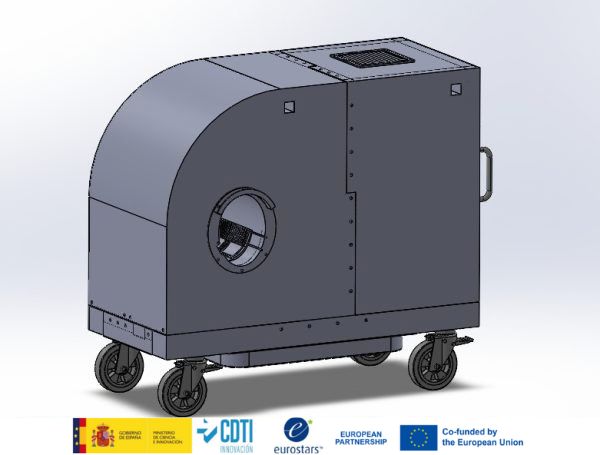
The development of this new MRI implements features such as portability, low magnetic intensity magnets or AI for medical image reconstruction.
Medical technology is progressing rapidly day by day, and one of the areas that has undergone a significant transformation in recent years is magnetic resonance imaging (MRI). In this context, the Spanish company PhysioMRI, dedicated to the research and development of innovative solutions in the field of portable MRI, has started to develop its latest product: ELLIMRI, a low-field MRI system designed to offer accessibility, efficiency and portability without compromising diagnostic quality.
Unlike traditional MRI scanners, which require complex facilities, dedicated spaces and high-intensity magnetic fields, this portable MRI is based on a low-field magnet design, which significantly reduces its size, operating cost and infrastructure needs. Thanks to its compact construction, the new device can be easily transported and installed in a variety of environments, including rural clinics, mobile units and even in emergency or low-resource settings.
One of the most innovative aspects of this MRI device is its true portability. The system has been designed with mobility in mind, allowing it to be moved by a single person or by light transport equipment. This opens up the possibility of performing MRI studies in places where it was previously unfeasible, extending access to this technology to patients who, for geographical or logistical reasons, could not benefit from a traditional MRI.
Despite operating in a lower magnetic field range, the new medical device maintains image quality suitable for medical studies, especially in musculoskeletal and emergency medicine. Its image reconstruction software, optimised by advanced artificial intelligence algorithms, compensates for the typical limitations of low-field systems, enabling clear and diagnostically useful images.
In addition, the portable MRI stands out for its energy efficiency and low operating cost. As it does not require cryogenic cooling systems or expensive magnetic shielding, it represents a sustainable and cost-effective solution, ideal for healthcare facilities with limited resources or those looking to reduce their energy footprint.
With this project, the Spanish company not only proposes an innovative technological solution, but also drives a paradigm shift in the way MRI is conceived: from a centralised, high-cost tool to an accessible, flexible and decentralised care-oriented device. PhysioMRI is thus positioning itself as a benchmark in the democratisation of diagnostic imaging, bringing high-precision healthcare to every corner of the world.
This project has received funding from the “Eurostars-3” program, with co-funding from the CDTI and the European Union’s “Horizon Europe” Framework Program for Research and Innovation.