by Editorial Team | Apr 1, 2026 | Blog, General News
Spanish portable MRI company begins global validation with tech giant as first customer
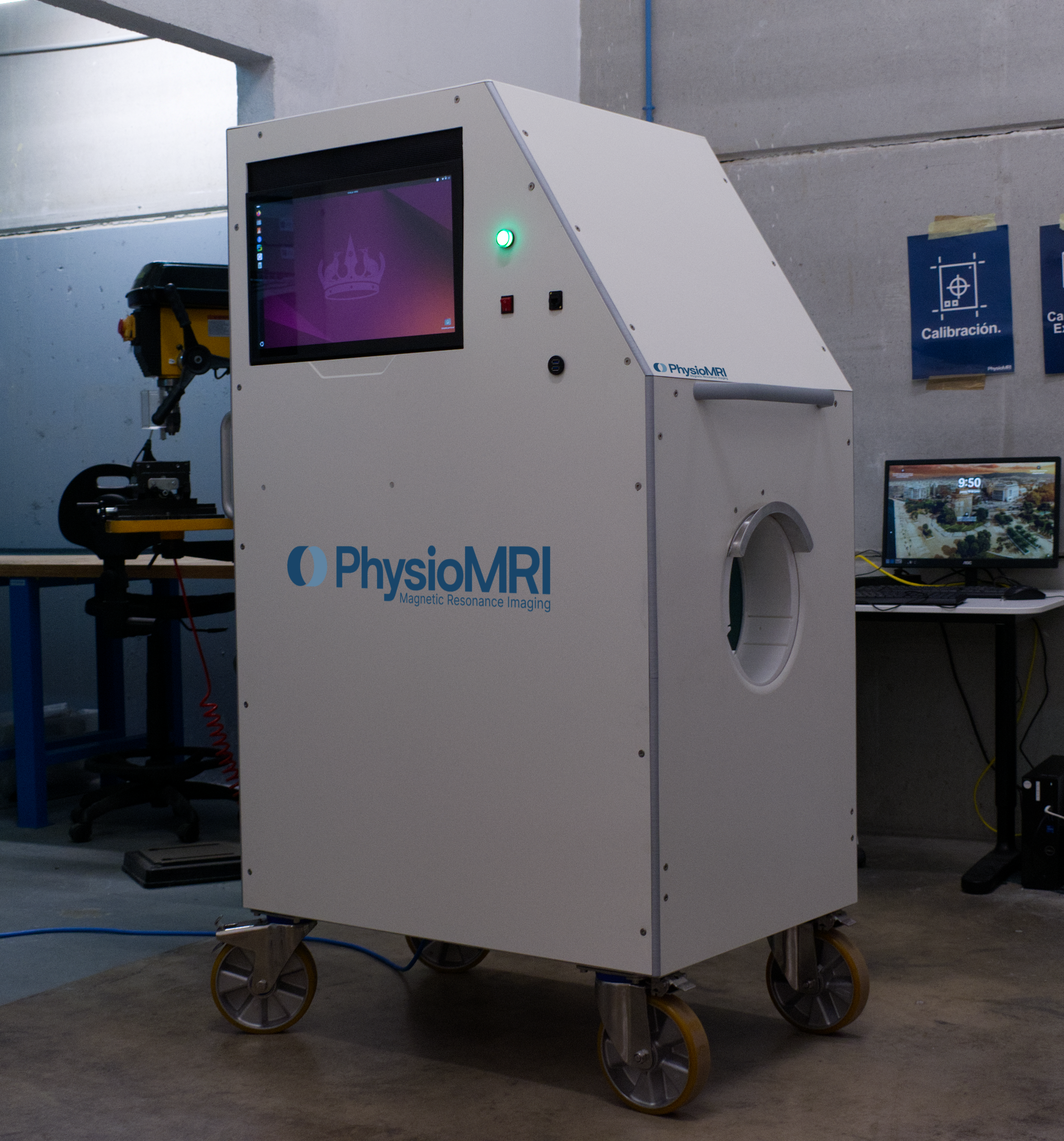
The Spanish company PhysioMRI has taken a major strategic step forward by establishing contact with Microsoft as the first customer for its portable magnetic resonance imaging technology. This move not only strengthens the company’s position in the international technology ecosystem, but also validates its value proposition in a highly competitive and demanding environment.
PhysioMRI, which specializes in developing low-field, high-efficiency MRI solutions, has opted for a disruptive model as opposed to traditional high-field systems, which are characterized by high installation and maintenance costs and structural requirements. Its portable technology eliminates the need for complex shielded infrastructure, reduces energy consumption, and allows for flexible deployment in non-hospital settings.
In strategic terms, the approach to Microsoft represents much more than an initial commercial opportunity. It represents an early validation case with a global player that operates under extremely rigorous standards in security and technological interoperability. For a medtech startup, gaining the attention of a corporation with Microsoft’s capabilities means overcoming high-level technical and regulatory.
From a reputational standpoint, this contact positions PhysioMRI as an innovative player capable of engaging in technical dialogue on equal terms with large multinational technology companies. In the early stages of business growth, milestones such as this often act as a catalyst for future rounds of financing, industrial alliances, and international expansion. The signaling effect on potential investors and partners is significant.
Furthermore, the choice of Microsoft as the first customer demonstrates a clear strategy: prioritizing agreements with organizations that can amplify the product’s impact beyond conventional clinical use. The potential applications of portable resonance in corporate environments, applied research, or even occupational medicine represent emerging niches with high scalability potential.
In short, this milestone marks a turning point in the company’s history. Beyond the immediate commercial dimension, it symbolizes the transition from a phase of technological development to a stage of international validation and global projection. This solidifies PhysioMRI as one of Europe’s leading companies in portable MRI, demonstrating that disruptive innovation in medical technology can emerge from the Spanish ecosystem with a global reach.
by Editorial Team | Mar 20, 2026 | Blog, NextMRI
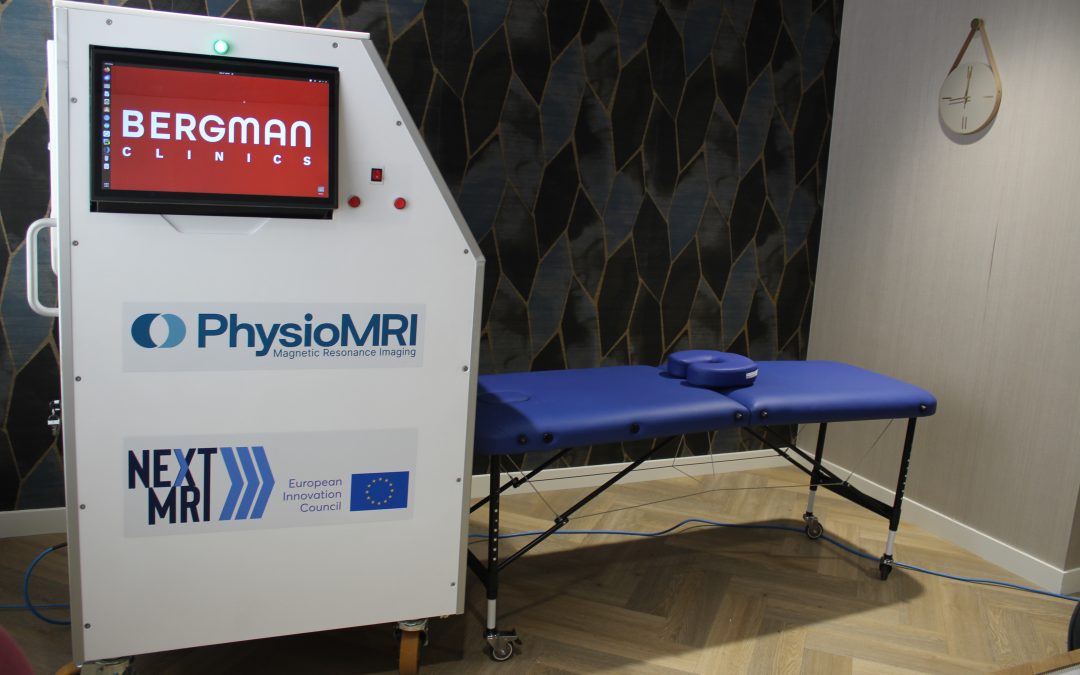
The clinical trials conducted by PhysioMRI at Bergman Clinics in the Dutch city of Breda form part of the current phase of the NextMRI project. As part of this, the company has transported a portable MRI scanner with a magnetic field strength of less than 0.1T from Valencia to continue gathering clinical data and assessing the potential of this technology in real-world conditions.
The equipment was transported by road on Monday 23 February and arrived in Breda the following evening. By Wednesday morning, the system was already in place at Bergman Clinics, and less than an hour after its arrival, it was fully operational and capturing its first images.
Rapid deployment in a real-world clinical setting
The roll-out of the system at Bergman Clinics highlights one of the operational advantages of this type of solution: its ability to be transported, installed and activated within a short timeframe.
After downloading the software and carrying out the necessary checks, the scanner was up and running in just 50 minutes. This speed is particularly important in the development of new imaging solutions designed to expand the potential applications of magnetic resonance imaging in a variety of settings.
Knee studies and comparison with 1.5-Tesla systems
Over the coming months, the system will remain at Bergman Clinics as part of the work planned under the NextMRI project. During this period, more than 100 patients will undergo MRI scans of the knee using this portable low-field scanner.
In addition, the same patients will also be examined using a 1.5-tesla (1.5T) system. This comparison will enable us to continue improving the images obtained using low-field MRI by comparing them with data from higher-field systems.
Generation of clinical data within the NextMRI project
At the same time, a similar system is in place at La Fe Hospital in Valencia, where comparable trials are being conducted to gather further clinical data, in this case in the field of neuroimaging.
Collaboration between the two fields will enable the creation of a database of paired images, a key resource for analysing which types of conditions can be detected using low-field MRI systems and for continuing to assess their potential in future applications.
PhysioMRI continues to make progress in the development of new imaging solutions
Through its participation in NextMRI, PhysioMRI continues to drive the development of new portable MRI solutions and to strengthen its focus on technological innovation, real-world validation and improving access to medical imaging.
The collaboration with centres such as Bergman Clinics and La Fe Hospital represents a significant step in this process and enables us to continue building up a body of technical and clinical knowledge regarding low-field magnetic resonance imaging.
by Editorial Team | Mar 10, 2026 | Blog, NextMRI
The Health Research Institute in Valencia is hosting the trials for the NextMRI project
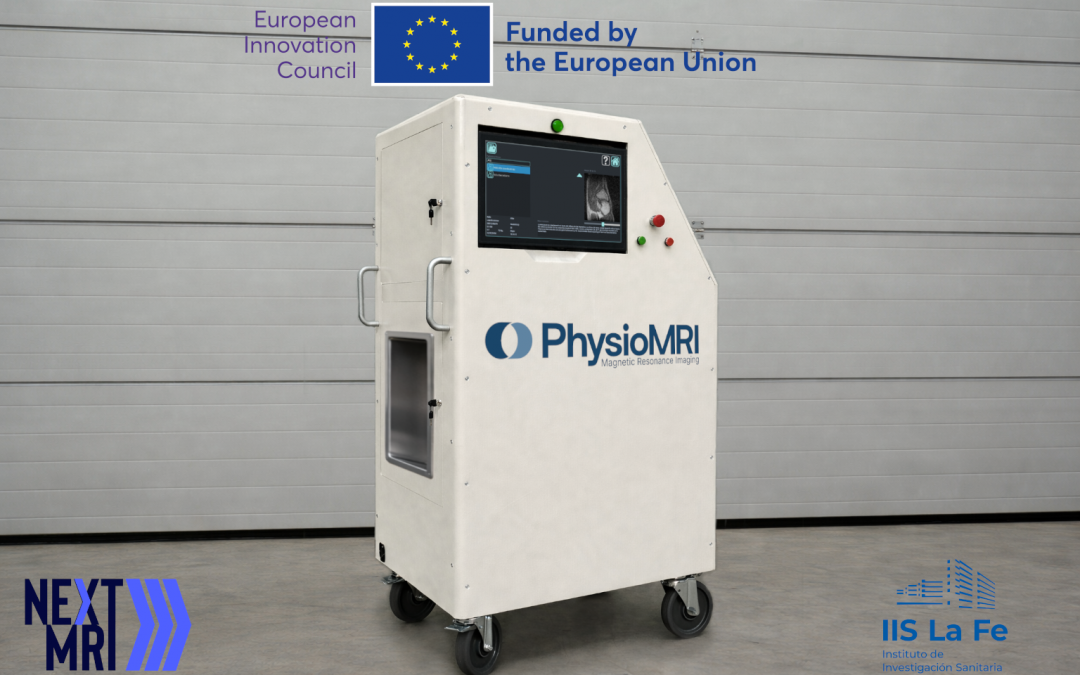
The Health Research Institute Hospital La Fe (IIS La Fe) in Valencia is one of the centres where PhysioMRI is developing and evaluating new portable MRI solutions as part of the NextMRI project. This phase of the work forms part of the process of validating the system in a real clinical setting and enables further progress to be made in refining the technology.
Through these trials, PhysioMRI continues to work on developing more compact, accessible and easy-to-deploy systems, with the aim of expanding the potential applications of magnetic resonance imaging in new settings.
Neurological tests to further validate the system
PhysioMRI is working with healthcare professionals in the fields of neurology and imaging at IIS La Fe to assess how the device performs in real-world conditions in patients with multiple sclerosis.
This activity makes it possible to assess both the quality of the brain images obtained and the acquisition protocols used, as well as the system’s adaptability and operational effectiveness in a hospital setting.
The involvement of this world-leading hospital also provides a particularly valuable context, given its research expertise and its involvement in technological innovation projects in the healthcare sector.
Usability and the development of more accessible solutions
In turn, these trials enable PhysioMRI to continue developing solutions which, as well as providing high-quality images, are intuitive and practical for healthcare staff.
Validation in health research Institutes such as La Fe represents a significant step towards further improving the technology and strengthening a development strategy focused on the accessibility, portability and practical utility of magnetic resonance imaging.
NextMRI as a framework for development and innovation
The activities carried out at La Fe form part of the NextMRI project, in which various partners with complementary expertise are working together to develop new MRI solutions. In this context, PhysioMRI plays a key role as the system’s developer and manufacturer, driving its evolution through work in real-world settings and collaboration with leading healthcare centres.
This type of trial helps to further consolidate the technical and clinical foundation that is essential for the development of new applications and for the continuous improvement of the technology.
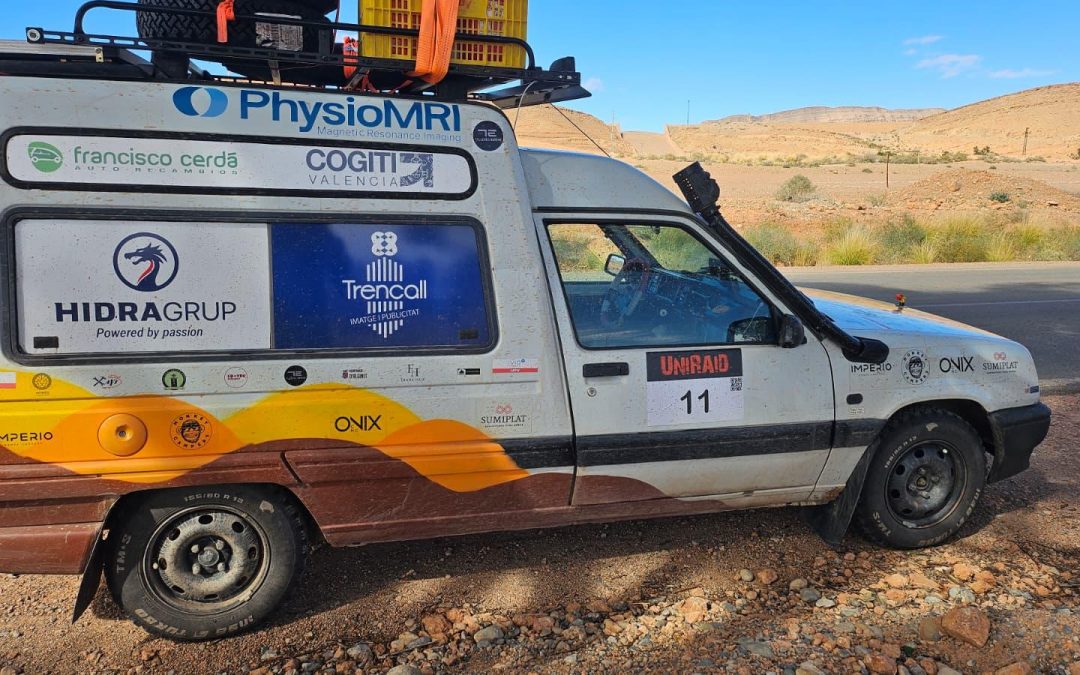
by Editorial Team | Feb 20, 2026 | General News
On February 14th, the “Plátano Faller Rally Team” concluded its participation in Uniraid 2026, after completing more than 2,000 kilometers across Morocco in nine days. They traveled in a Renault Express van over 15 years old, without GPS or electronic devices, navigating solely by roadbook, map, and compass.
The team, comprised of Rubén Bosch and Pablo García, engineers and researchers at the Spanish National Research Council (CSIC), where they work on the development of portable, low-cost MRI scanners designed to democratize access to advanced medical technology, successfully completed all stages and delivered 40 kg of aid, including school, sports, and medical supplies, directly to rural communities in southern Morocco.
“For us, this experience is a challenge that unites the technical with the human. We want to demonstrate that with ingenuity, effort, and collaboration, we can make a difference,” the Plátano Faller Rally Team emphasizes.
At Physio MRI, we have supported this initiative, which embodies values we share: technical rigor, adaptability in demanding environments, and genuine social commitment. It also aims to bring high-quality diagnostic imaging to contexts where conventional MRI is not feasible, whether due to a lack of infrastructure, energy limitations, or adverse environmental conditions.
We are proud to have been part of this project that has combined innovation and solidarity.
by Editorial Team | Feb 12, 2026 | General News
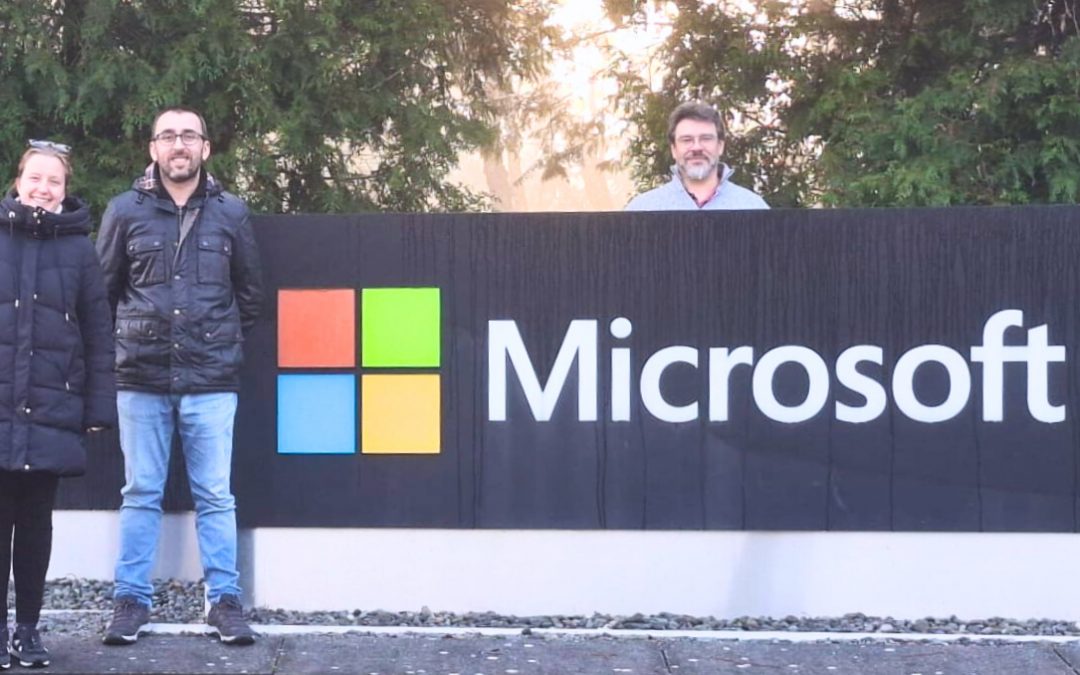
Teresa, José Miguel, and Joseba at Microsoft’s facilities in Redmond.
Feb 3rd, 2026, is a date that will not be easily forgotten at PhysioMRI Tech. Companies only get to have one first client, and ours is none other than Microsoft!
Last week, Michael Hansen and a dozen of his fellows at Microsoft Research were trained to operate their brand new PhysioMRI scanner, the first truly portable MRI system on the market. With this scanner, scientists and clinicians have the freedom to operate virtually anywhere on the globe, create arbitrary pulse sequences, and exploit unlimited access to the generated data and reconstructions.
Having long followed MSR’s extraordinary development and innovation track, we can’t help but wonder what new results are on the line with the MRI system!
Oh, and if you think your research could also benefit from a portable MRI scanner, make sure to reach out!