by Editorial Team | Jul 29, 2026 | Blog, General News
For a clinic combining physiotherapy and orthopaedics, referring a patient elsewhere for a magnetic resonance imaging scan is not merely an administrative step. It interrupts the patient care pathway, creates dependence on another centre and reduces the clinic’s control over the patient experience.
The process is usually familiar: consultation, suspected diagnosis, external referral, waiting period, report and a follow-up appointment. During this time, treatment may be delayed and the patient may lose continuity of care within the clinic.
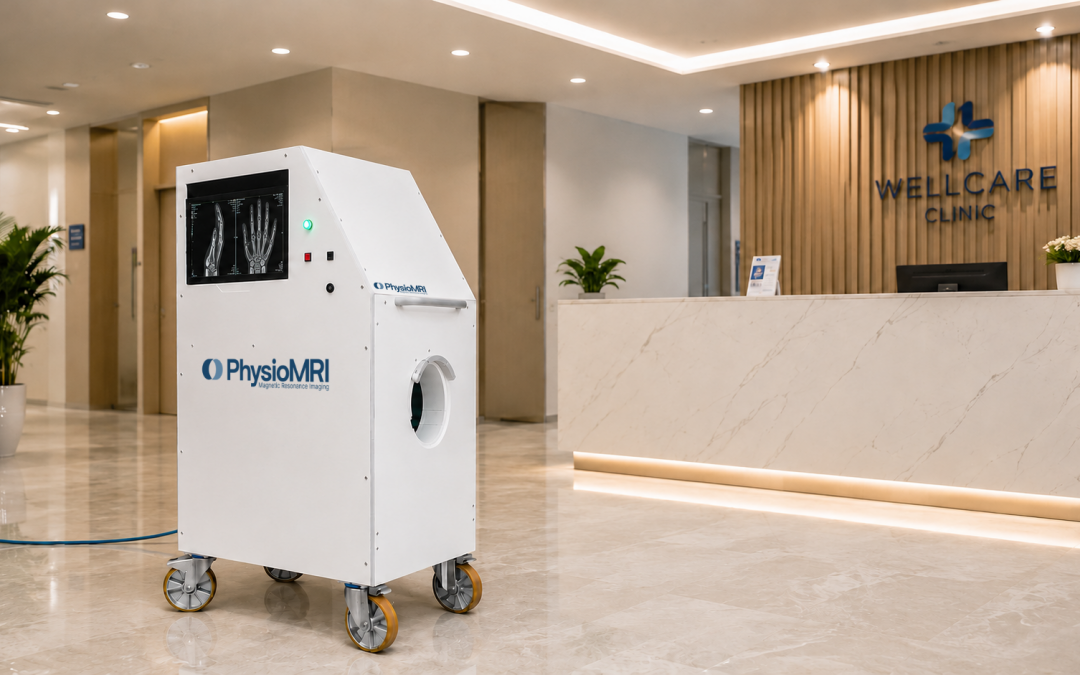
Having an in-house MRI system helps reduce this friction. The orthopaedic specialist can request the scan within the clinic itself, while the physiotherapy team can plan treatment with more information from the outset.
The advantage lies not only in performing the scan sooner, but also in connecting assessment, diagnostic imaging, clinical decision-making and follow-up within a single care pathway.
A pay-per-use model linked to actual activity
The pay-per-use model changes the way diagnostic technology can be incorporated into a clinic. Instead of taking on a high initial investment, the centre pays according to the number of scans performed.
This makes it possible to link the cost of the service directly to the activity generated. Each scan can be assessed easily in terms of revenue per examination, cost per use and resulting margin.
In addition, the clinic retains an activity that was previously referred to another centre and strengthens other associated services, such as orthopaedic consultations, rehabilitation programmes and follow-up appointments.
The return does not depend solely on the margin generated by each scan. It also includes reducing missed opportunities, maintaining continuity of care within the centre and turning an initial consultation into a more comprehensive treatment plan.
A visible difference compared with other centres
In a market where many clinics offer similar services, having an in-house MRI system can become a clear differentiating factor.
For patients, it means fewer journeys and shorter waiting times. For healthcare professionals, it provides more information on which to base their decisions. For the clinic, it represents a new area of activity and greater control over the patient care pathway.
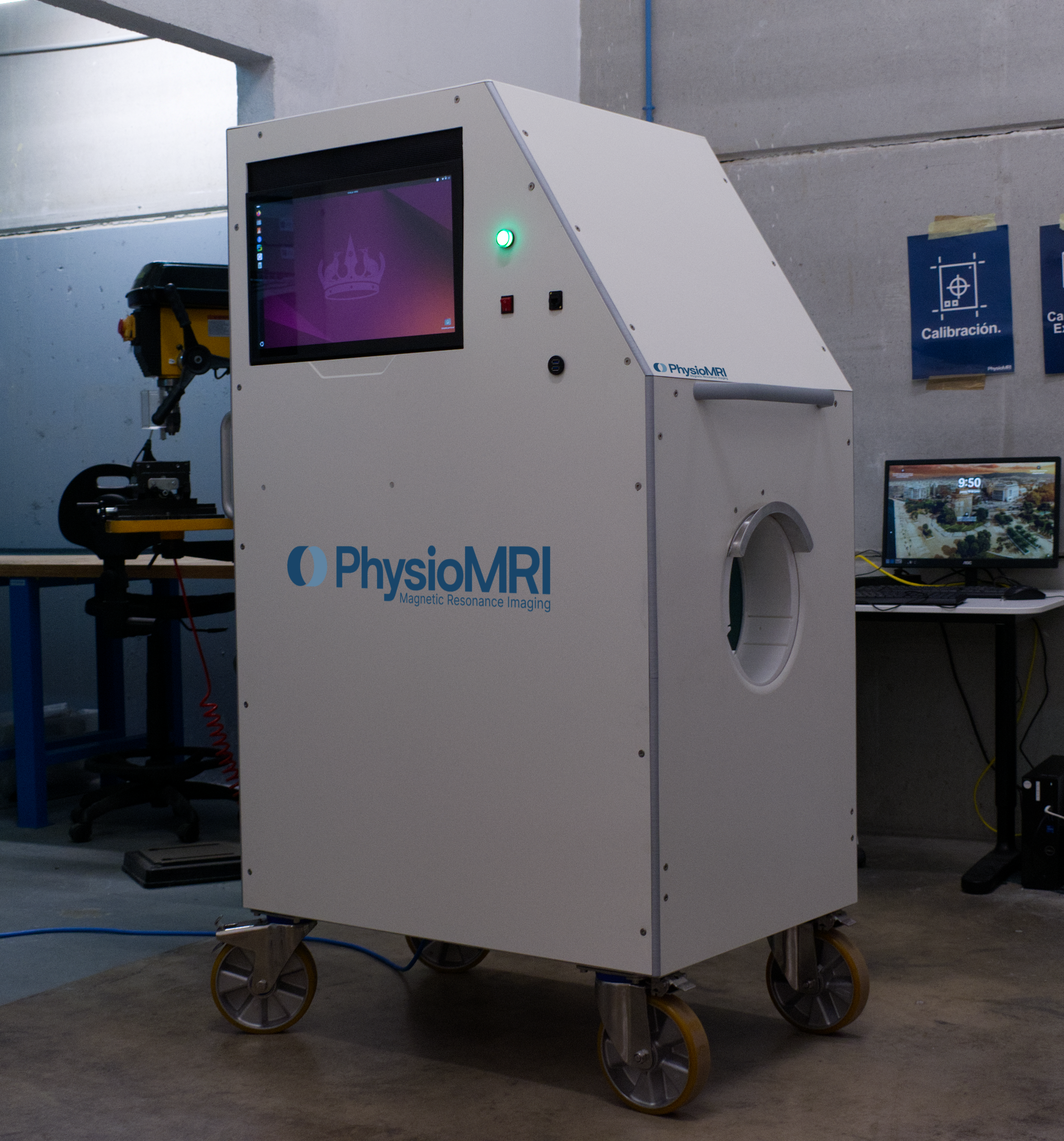
PhysioMRI brings magnetic resonance imaging closer to physiotherapy and orthopaedic clinics through a flexible model designed to facilitate access to musculoskeletal imaging within the clinic itself.
Discover how to integrate PhysioMRI into your clinic
If your clinic still refers patients elsewhere for MRI scans, it may be time to consider a more streamlined alternative.
Discover how to integrate PhysioMRI into your clinic through a pay-per-use model and request further information through our pre-sale landing page.
by Editorial Team | May 15, 2026 | Blog, General News, NextMRI
On May 14, 2026, we attended the GSIC Sport Business Networking Valencia, an event organized by GSIC powered by Microsoft that brought together startups, companies, institutions, and stakeholders from the sports business and sports tech sectors.
The event took place from 6:00 p.m. to 7:30 p.m. at TUOI, Miobio’s new space located in the Innsomnia Building in Valencia.
An event to bring together sports and innovation
GSIC Sport Business Networking Valencia is designed to foster strategic connections, share ideas, and explore new opportunities in the sports industry.
For PhysioMRI, participating in this event provided an opportunity to present our vision of the role that the NextMRI project’s portable MRI scanner can play in areas such as healthcare, performance, prevention, and the monitoring of sports injuries.
PhysioMRI’s Participation in the Pitch Session
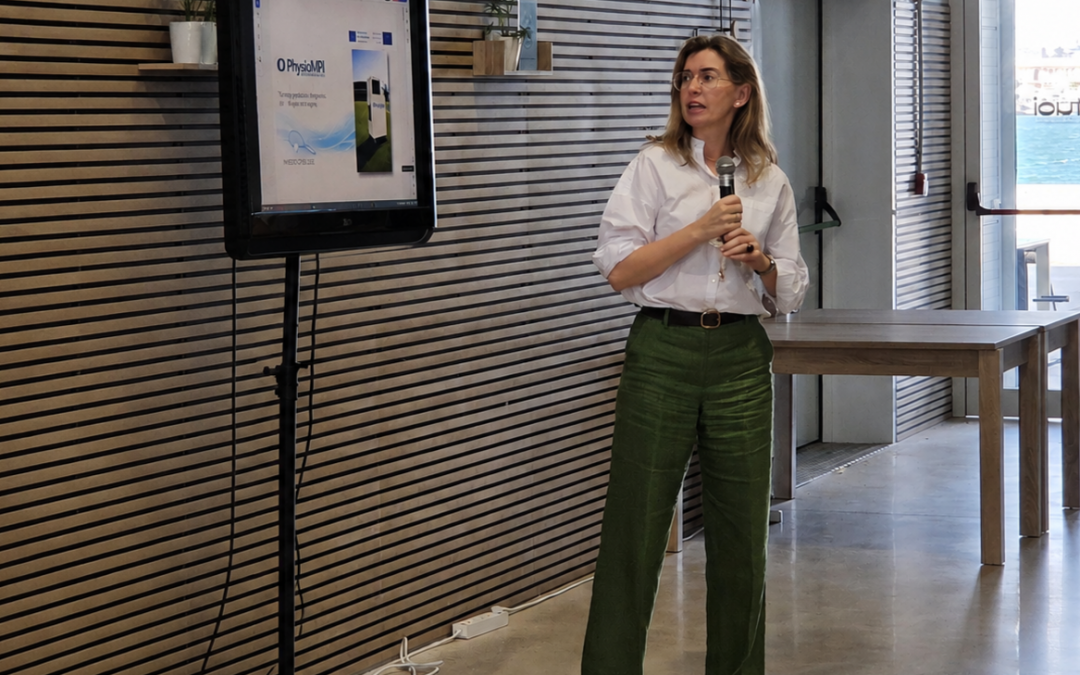
During the session, GSIC members gave a series of presentations. Representing PhysioMRI was Lourdes Martínez, Director of International Expansion, who noted that “it is an easy-to-use device that can be taken to the venue where a sporting event is taking place.” She also highlighted that tests can be performed on-site and provide high-quality images in five minutes, and mentioned the MRI scan performed on a rider during the 2022 MotoGP Valencia Grand Prix, which yielded favorable results.
Later, during the Q&A session, José María Benlloch, co-founder of PhysioMRI, also participated. He mentioned that “the disruption lies not only in portability, but above all in accessibility for all the small clinics that would love to have it.” He also highlighted the importance of demonstrating the ability to diagnose “injury by injury,” noting that for the vast majority of applications, a diagnosis can be obtained.
The agenda also included welcoming remarks by Juan Fuentes, director of the GSIC Testing Lab, and Sergio Brisa, co-founder and CEO of Miobio, as well as a final networking session.
Portable MRI and Sports
At PhysioMRI, we are working to bring advanced medical imaging to new settings. In the sports sector, portable MRI can open up opportunities in functional assessment, injury monitoring, recovery, and collaboration among healthcare professionals, athletes, clubs, and institutions.
Through this partnership, we continue to explore new applications for our technology and reinforce our commitment to medical innovation in sports.

by Editorial Team | Apr 24, 2026 | Blog, General News
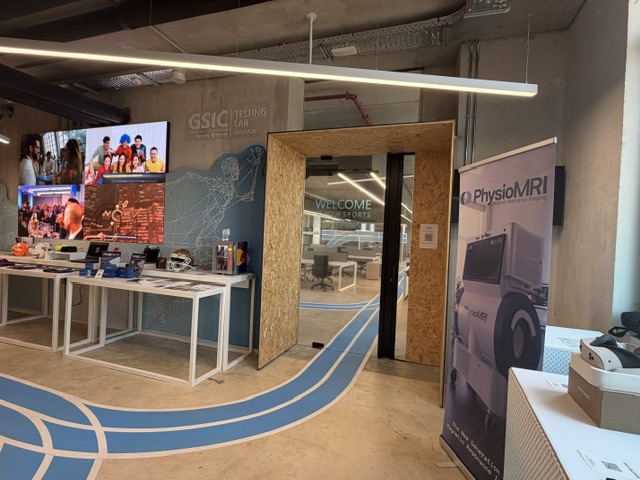
At PhysioMRI, we have joined the Global Sports Innovation Center (GSIC) powered by Microsoft, as partners. This international network connects technology companies, startups, sports organizations, and institutions to drive innovation in sports.
This partnership allows us to become part of an ecosystem specializing in SportsTech, health, performance, and applied innovation, where we aim to contribute our expertise in the development of portable MRI systems.
Medical innovation applied to sports
At PhysioMRI, we are working to bring advanced medical imaging to more flexible and accessible settings. In the sports field, portable MRI can open up new possibilities for injury monitoring, functional assessment, and recovery.
Connection to the Valencia Testing Lab
Our membership in the GSIC also connects us to the Valencia Testing Lab, located at La Harinera. This space is dedicated to testing, validation, and collaboration between technology companies and stakeholders in the sports ecosystem.
For PhysioMRI, this represents an opportunity to share knowledge, explore new use cases, and develop solutions tailored to the real needs of sports and healthcare.
A new milestone for PhysioMRI
With this addition, we are strengthening our commitment to collaboration, applied research, and technology transfer.
At PhysioMRI, we continue to work toward bringing portable MRI technology to new applications in sports, healthcare, and medical innovation.
by Editorial Team | Apr 1, 2026 | Blog, General News
Spanish portable MRI company begins global validation with tech giant as first customer
The Spanish company PhysioMRI has taken a major strategic step forward by establishing contact with Microsoft as the first customer for its portable magnetic resonance imaging technology. This move not only strengthens the company’s position in the international technology ecosystem, but also validates its value proposition in a highly competitive and demanding environment.
PhysioMRI, which specializes in developing low-field, high-efficiency MRI solutions, has opted for a disruptive model as opposed to traditional high-field systems, which are characterized by high installation and maintenance costs and structural requirements. Its portable technology eliminates the need for complex shielded infrastructure, reduces energy consumption, and allows for flexible deployment in non-hospital settings.
In strategic terms, the approach to Microsoft represents much more than an initial commercial opportunity. It represents an early validation case with a global player that operates under extremely rigorous standards in security and technological interoperability. For a medtech startup, gaining the attention of a corporation with Microsoft’s capabilities means overcoming high-level technical and regulatory.
From a reputational standpoint, this contact positions PhysioMRI as an innovative player capable of engaging in technical dialogue on equal terms with large multinational technology companies. In the early stages of business growth, milestones such as this often act as a catalyst for future rounds of financing, industrial alliances, and international expansion. The signaling effect on potential investors and partners is significant.
Furthermore, the choice of Microsoft as the first customer demonstrates a clear strategy: prioritizing agreements with organizations that can amplify the product’s impact beyond conventional clinical use. The potential applications of portable resonance in corporate environments, applied research, or even occupational medicine represent emerging niches with high scalability potential.
In short, this milestone marks a turning point in the company’s history. Beyond the immediate commercial dimension, it symbolizes the transition from a phase of technological development to a stage of international validation and global projection. This solidifies PhysioMRI as one of Europe’s leading companies in portable MRI, demonstrating that disruptive innovation in medical technology can emerge from the Spanish ecosystem with a global reach.
by Editorial Team | Feb 20, 2026 | General News
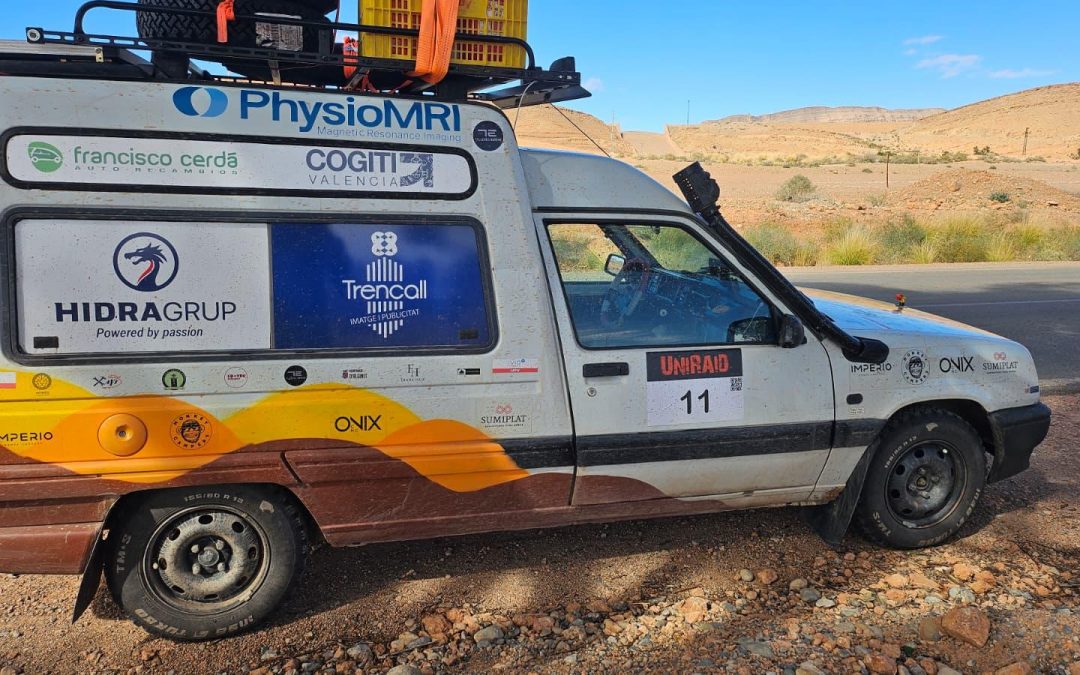
On February 14th, the “Plátano Faller Rally Team” concluded its participation in Uniraid 2026, after completing more than 2,000 kilometers across Morocco in nine days. They traveled in a Renault Express van over 15 years old, without GPS or electronic devices, navigating solely by roadbook, map, and compass.
The team, comprised of Rubén Bosch and Pablo García, engineers and researchers at the Spanish National Research Council (CSIC), where they work on the development of portable, low-cost MRI scanners designed to democratize access to advanced medical technology, successfully completed all stages and delivered 40 kg of aid, including school, sports, and medical supplies, directly to rural communities in southern Morocco.
“For us, this experience is a challenge that unites the technical with the human. We want to demonstrate that with ingenuity, effort, and collaboration, we can make a difference,” the Plátano Faller Rally Team emphasizes.
At Physio MRI, we have supported this initiative, which embodies values we share: technical rigor, adaptability in demanding environments, and genuine social commitment. It also aims to bring high-quality diagnostic imaging to contexts where conventional MRI is not feasible, whether due to a lack of infrastructure, energy limitations, or adverse environmental conditions.
We are proud to have been part of this project that has combined innovation and solidarity.
by Editorial Team | Feb 12, 2026 | General News
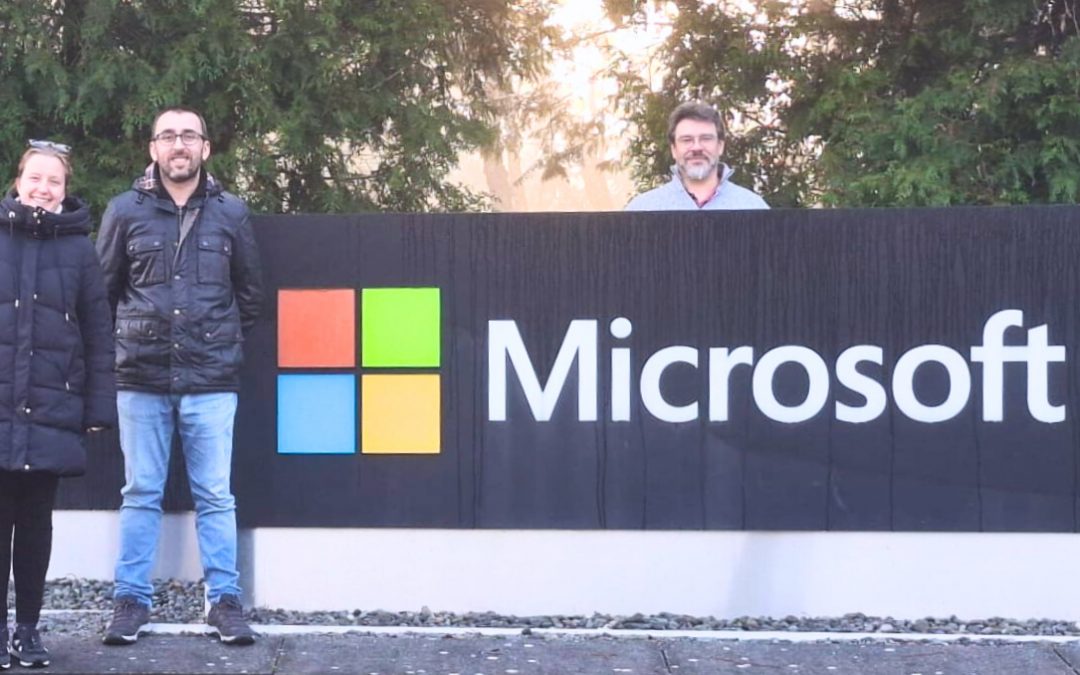
Teresa, José Miguel, and Joseba at Microsoft’s facilities in Redmond.
Feb 3rd, 2026, is a date that will not be easily forgotten at PhysioMRI Tech. Companies only get to have one first client, and ours is none other than Microsoft!
Last week, Michael Hansen and a dozen of his fellows at Microsoft Research were trained to operate their brand new PhysioMRI scanner, the first truly portable MRI system on the market. With this scanner, scientists and clinicians have the freedom to operate virtually anywhere on the globe, create arbitrary pulse sequences, and exploit unlimited access to the generated data and reconstructions.
Having long followed MSR’s extraordinary development and innovation track, we can’t help but wonder what new results are on the line with the MRI system!
Oh, and if you think your research could also benefit from a portable MRI scanner, make sure to reach out!