Diagnosis without borders: introducing ELLIMRI, the portable MRI scanner from PhysioMRI

Diagnosis without borders: introducing ELLIMRI, the portable MRI scanner from PhysioMRI

PhysioMRI is committed to an agile and resilient diagnostic model for emergencies, rural areas and hard-to-reach environments


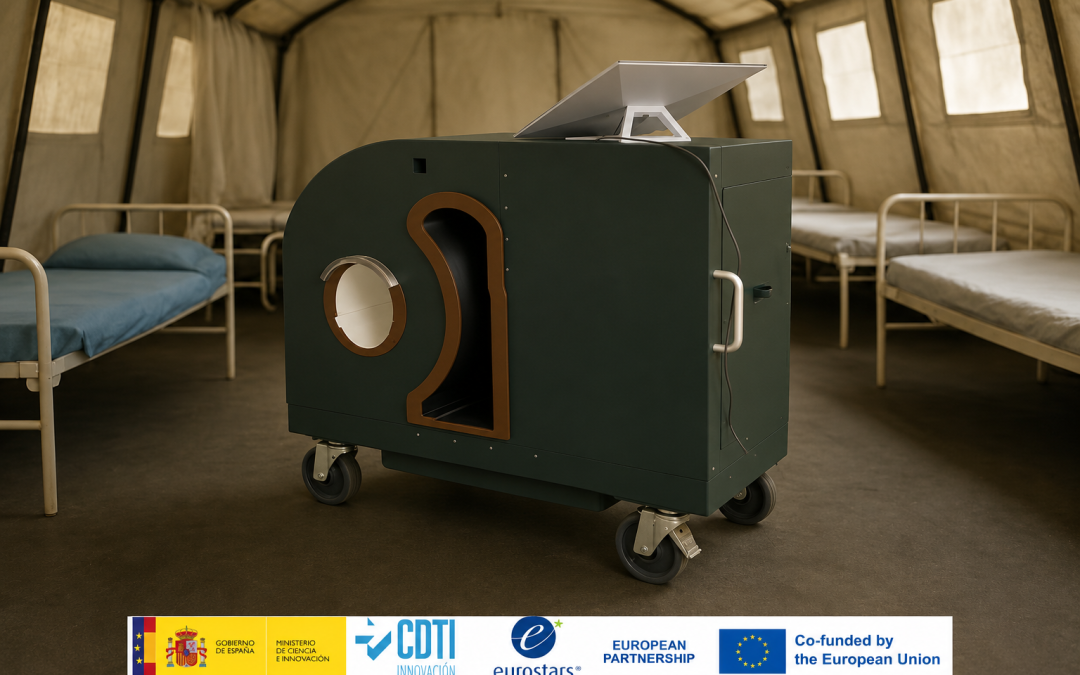
PhysioMRI, a company specialising in the research and development of portable magnetic resonance imaging (MRI) scanners, has made significant progress in the ELLIMRI Project, a line of portable MRI scanners designed specifically to operate in extreme environments. The objective is clear: to bring high-quality diagnostic imaging to contexts where conventional MRI is unfeasible, whether due to lack of infrastructure, energy limitations or adverse environmental conditions. At a time when medicine is seeking to reduce access gaps, this device is positioned as a technological response aimed at rural areas, humanitarian emergencies, and field hospitals.

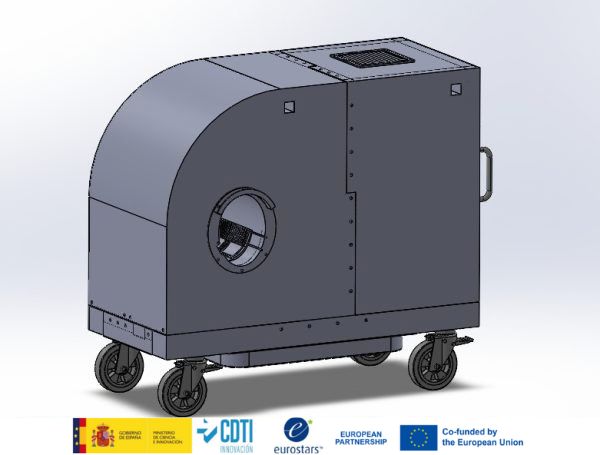
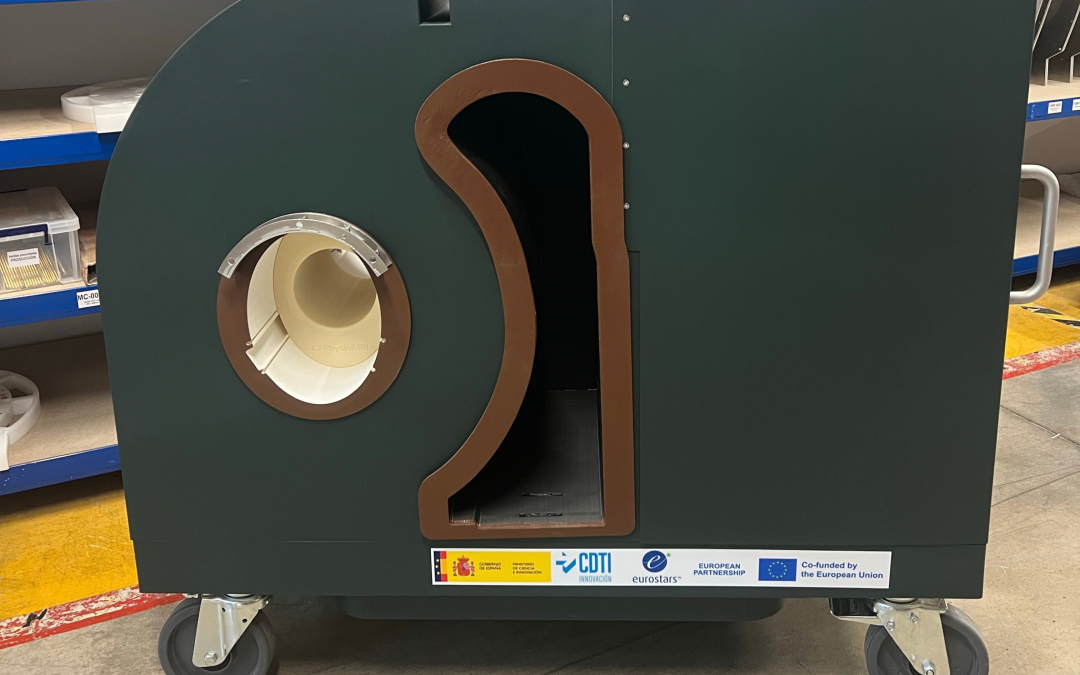
One of the main milestones of the project is the optimisation of the system to work with minimal resources. The new MRI scanner has been designed with a compact and robust architecture, prioritising operational stability in the face of temperature variations, dust, humidity and vibrations associated with transport. Unlike traditional installations, which require dedicated rooms and auxiliary equipment, PhysioMRI’s approach is ‘install and operate’: rapid deployment, simplified calibration and continuous operation in complex logistics environments.

At the same time, the project has focused on energy autonomy. The latest developments incorporate optimised consumption modes, designed to work with unstable electricity grids, generators or hybrid solutions. This is particularly important for rural areas and rapid response devices in the event of disasters, where the continuity of clinical service depends, to a large extent, on the equipment’s ability to adapt to the reality on the ground.

Another notable advance is the evolution of the clinical workflow. The medical device is geared towards agile and repeatable protocols that facilitate its use by healthcare teams with different levels of specialisation. The integration of support software guides image acquisition and reduces operational errors. In addition, the system is designed to integrate with telemedicine circuits, so that scans can be monitored or reported remotely when there is no radiologist on site.

With the ELLIMRI project, PhysioMRI is not only seeking to miniaturise complex technology, but also to redefine where and when magnetic resonance imaging can be performed. The potential impact is significant: earlier diagnosis, better-informed clinical decisions and frontline care capabilities, even in the most demanding scenarios. In short, this medical device represents a significant step towards truly mobile, resilient and accessibility-focused medical imaging.


PhysioMRI begins development of its ELLIMRI project: The New Era of Portable MRI is Coming

PhysioMRI begins development of its ELLIMRI project: The New Era of Portable MRI is Coming

The development of this new MRI implements features such as portability, low magnetic intensity magnets or AI for medical image reconstruction.


Medical technology is progressing rapidly day by day, and one of the areas that has undergone a significant transformation in recent years is magnetic resonance imaging (MRI). In this context, the Spanish company PhysioMRI, dedicated to the research and development of innovative solutions in the field of portable MRI, has started to develop its latest product: ELLIMRI, a low-field MRI system designed to offer accessibility, efficiency and portability without compromising diagnostic quality.

Unlike traditional MRI scanners, which require complex facilities, dedicated spaces and high-intensity magnetic fields, this portable MRI is based on a low-field magnet design, which significantly reduces its size, operating cost and infrastructure needs. Thanks to its compact construction, the new device can be easily transported and installed in a variety of environments, including rural clinics, mobile units and even in emergency or low-resource settings.

One of the most innovative aspects of this MRI device is its true portability. The system has been designed with mobility in mind, allowing it to be moved by a single person or by light transport equipment. This opens up the possibility of performing MRI studies in places where it was previously unfeasible, extending access to this technology to patients who, for geographical or logistical reasons, could not benefit from a traditional MRI.

Despite operating in a lower magnetic field range, the new medical device maintains image quality suitable for medical studies, especially in musculoskeletal and emergency medicine. Its image reconstruction software, optimised by advanced artificial intelligence algorithms, compensates for the typical limitations of low-field systems, enabling clear and diagnostically useful images.

In addition, the portable MRI stands out for its energy efficiency and low operating cost. As it does not require cryogenic cooling systems or expensive magnetic shielding, it represents a sustainable and cost-effective solution, ideal for healthcare facilities with limited resources or those looking to reduce their energy footprint.

With this project, the Spanish company not only proposes an innovative technological solution, but also drives a paradigm shift in the way MRI is conceived: from a centralised, high-cost tool to an accessible, flexible and decentralised care-oriented device. PhysioMRI is thus positioning itself as a benchmark in the democratisation of diagnostic imaging, bringing high-precision healthcare to every corner of the world.


ELLIMRI by PhysioMRI: Cutting-Edge Science for More Accessible MRI

ELLIMRI by PhysioMRI: Cutting-Edge Science for More Accessible MRI

PhysioMRI presents an innovative, low-field, high-efficiency solution to bring quality diagnostic imaging to any location in the world.


PhysioMRI, a leading Spanish company in technological innovation in the field of medical imaging, has announced its new ELLIMRI project, an ambitious initiative that promises to transform the accessibility and functionality of magnetic resonance imaging (MRI) worldwide. This development is part of the company’s efforts to make MRI more accessible, portable and economically viable without compromising image quality.


Key features such as portability or AI inclusion


ELLIMRI is a low-field, portable and energy-efficient MRI system designed specifically for use outside traditional hospital environments. This new device seeks to address a critical need: to bring diagnostic imaging to remote areas, rural settings, mobile clinics and even emergency situations, where conventional MRI systems are logistically unfeasible.

The Valencian company’s project stands out for its combination of lightness, low energy consumption and ease of use. Thanks to major advances in magnetic hardware and image reconstruction algorithms using artificial intelligence, ELLIMRI is able to obtain high diagnostic quality images, even when operating at significantly lower magnetic field strengths than traditional equipment.


The goal of PhysioMRI: democratising Diagnostic Imaging


“At PhysioMRI, we are not building machines, we are building a bridge to a more inclusive, efficient and humane healthcare system”, says Jon Fatelevich, co-founder and CSO of the company.

This new portable MRI could be a key tool in the context of preventive medicine, early diagnosis and continuous monitoring of musculoskeletal diseases, especially in regions where access to advanced technology is limited or non-existent, which means a great progress in the field of medical imaging.

The price of MRI scans has traditionally been a barrier for many patients. PhysioMRI transforms this reality by offering medical studies at up to 90% lower cost. This not only represents an economic relief for users, but also optimises the resources of hospitals and clinics, allowing them to perform more studies without affecting the quality and time of care.

Accessibility is not only limited to the economic aspect, but also to time. Thanks to its innovative design, ELLIMRI significantly reduces installation and commissioning times, thus improving operational efficiency in healthcare facilities.

With ELLIMRI, PhysioMRI reaffirms its commitment to the democratisation of diagnostic imaging, opening up new possibilities in the field of personalised and global medicine. The future of MRI could be about to change, and this time, it won’t be inside a shielded room, but right where the patient needs it.


ELLIMRI: The PhysioMRI Portable Magnetic Resonance Revolution

ELLIMRI: The PhysioMRI Portable Magnetic Resonance Revolution

PhysioMRI transforms medical diagnostics with its innovative portable MRI. A revolutionary breakthrough in the accessibility and accuracy of clinical studies.


Today’s technology is advancing rapidly, and within modern medicine magnetic resonance imaging (MRI) remains an essential diagnostic tool. However, despite its great importance, traditional MRI faces some challenges, such as the need for large facilities or high costs. Faced with these obstacles, PhysioMRI, a leading Spanish company in innovation and technological development, has initiated a revolutionary project that promises to transform the field of healthcare: ELLIMRI, a new portable MRI system.

ELLIMRI Project at a Glance

ELLIMRI is the new project being developed by PhysioMRI, and is designed to offer a portable and accessible alternative to traditional MRI systems. This device aims to democratise access to MRI, allowing high-quality scans to be performed anywhere and in a much more affordable way.

PhysioMRI is committed to overcoming the limitations that current technology presents by creating an MRI device that is portable, efficient, easy to use and maintains high quality results. With ELLIMRI, the vision is to make MRI examinations more accessible not only for large hospitals and clinics, but also for small medical centres, rural areas and even in emergency situations.

Key features of ELLIMRI

  1. Portability without Compromise

ELLIMRI is intended to be easy to transport and use in different environments, such as mobile clinics, field hospitals, doctors’ surgeries and rural areas.

  1. State-of-the-art technology

Despite its compact size, ELLIMRI does not sacrifice image quality, thanks to the implementation of advanced processing algorithms and the miniaturisation of MRI technologies.

  1. Ease of Use

ELLIMRI has been designed with convenience and accessibility in mind. Its intuitive interface allows physicians and healthcare technicians to operate the equipment with ease. In addition, the device features automated functions that simplify the image capture process, reducing potential human error and optimising diagnostic time.

  1. Affordability

One of the biggest challenges of traditional MRI is the high cost of acquisition and maintenance. ELLIMRI, thanks to its modular design and less reliance on large facilities, significantly reduces costs, making MRI more accessible to a wider range of healthcare institutions.

Impact on the Global Health System

The ELLIMRI project has the potential to revolutionise medical care in places where MRI is currently inaccessible. This is particularly important in rural regions or developing countries, where resources to purchase state-of-the-art medical equipment are limited.

In addition, ELLIMRI can have a crucial impact in emergency situations, where medical facilities may be overburdened.

A Promising Future

With the development of this device, PhysioMRI reaffirms its commitment to technological innovation and the continuous improvement of medical care. ELLIMRI is not only a technological breakthrough, but a step towards democratising access to quality healthcare. With its innovative design and its ability to make MRI more accessible and affordable, this PhysioMRI project is destined to make a difference in the healthcare sector.

The future of MRI is portable, accessible and more efficient than ever.