
by Editorial Team | Nov 7, 2024 | General News
Selected among thousands of companies, PhysioMRI presents its low-field device at MEDICA, transforming access to diagnostic imaging.
PhysioMRI, selected by the European Union among thousands of MedTech companies, through the European Innovation Council Tech to Market (EIC T2M) coordinator, and thanks to the Entrepreneurship Venture Building program, to present at MEDICA the first portable and accessible MRI device, a “game changer” in diagnostic imaging.
From November 11th to 14th, MEDICA, the world’s leading medical technology event, will be held in Düsseldorf, Germany, attracting the biggest innovators in the healthcare sector to showcase their advances. In its last edition, MEDICA brought together more than 6,000 exhibitors from almost 70 countries, consolidating its position as the largest trade fair in the healthcare sector. The fair is structured in thematic areas that include physiotherapy, medical services, laboratory equipment and, above all, the latest solutions in diagnostic imaging, where PhysioMRI is positioned as a clear leader.
Based in Valencia, PhysioMRI has recently been selected by the European Union from among thousands of medical technology companies for its transformative potential in the market. The company will present the world’s first portable and affordable MRI device, a revolutionary solution that reduces costs by up to 90% compared to traditional machines, thanks to its low magnetic field technology. This breakthrough represents a “game changer” for diagnostic imaging, allowing access to this technology in environments where it is currently not feasible due to budget or infrastructure limitations.
“We are committed to leading the revolution in MRI technology, providing access to unprecedented diagnostic quality at a significantly lower cost,” says Alfonso Rios, CEO of PhysioMRI. “Our goal is to democratize access to magnetic resonance imaging worldwide, a service that should be available in every hospital, clinic and care center, not just in larger facilities or in developed economies.”
PhysioMRI’s technology, unique in its category, opens up a huge potential market, made up of regions and hospitals that today do not have MRI devices due to their high cost. This innovation not only promises to improve medical diagnostics in underserved areas, but also to transform the healthcare system by making it more accessible and effective. In recent trade shows where PhysioMRI has presented its device, investor interest has been high, and the company expects to generate the same impact at MEDICA, demonstrating how its pioneering technology can make a difference in the industry.
With a clear vision for the future, PhysioMRI continues advancing toward its goal of bringing MRI to all levels of the healthcare system, thereby improving the quality of life for millions of people around the world.


by Editorial Team | May 27, 2024 | General News
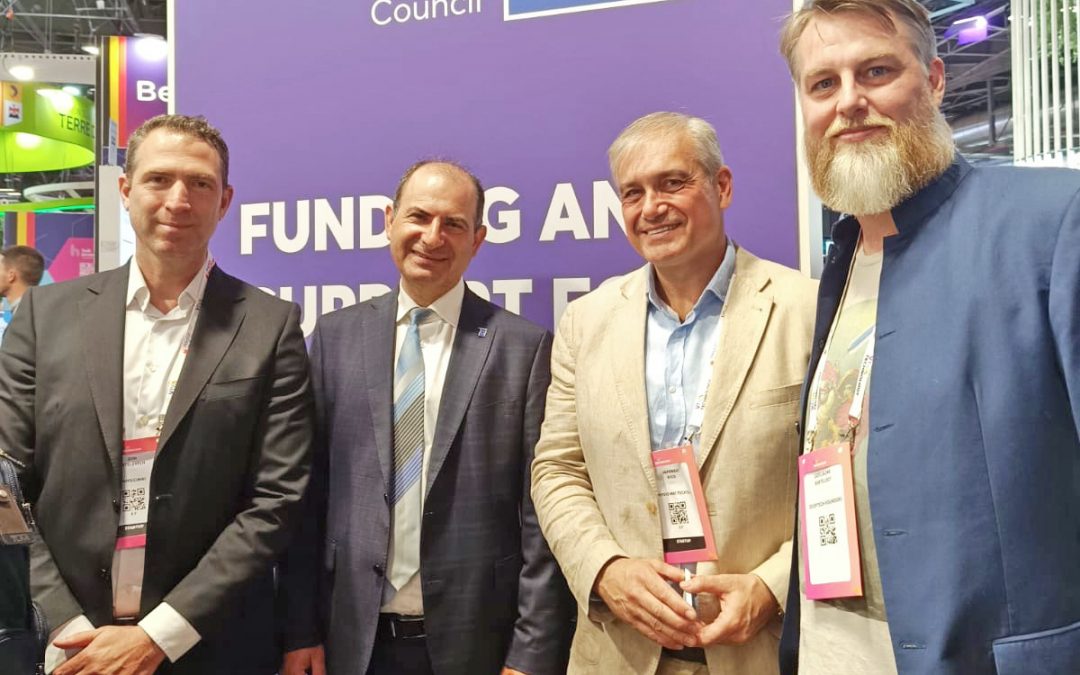
PhysioMRI successful at the international technology fair VivaTech2024 and Deeptech50 in Paris.
PhysioMRI, the innovative Valencian startup, has achieved resounding success at VivaTech2024, one of the most prestigious technology events in Europe. The fair, which took place from May 22 to 25, brought together more than 150 investors and industry leaders, who had the opportunity to learn first-hand about the latest trends and advances in health technology. Participation in VivaTech2024 and Deeptech50 not only highlights the excellence of PhysioMRI, but also represents an unparalleled opportunity for the Valencian startup to demonstrate its advances and position itself as a leader in the field of health technology globally.
PhysioMRI’s participation in VivaTech2024 was not only a success in terms of visibility, but it was also crucial for the future growth and expansion of the Valencian startup. During the fair, PhysioMRI stood out as one of the top five technology startups in Europe, attracting the attention of numerous investors interested in supporting its growth and expansion by holding a series of strategic meetings and establishing key contacts that will be fundamental to position PhysioMRI in the way. towards a promising future.
Among the most notable meetings include the one held with the CEO of the CIE European Innovation Council, Guillaume Berteloot and its general director, Viorel Peca, also meetings with some of the main investment funds in health technology, as well as with global companies acceptable in Integrate PhysioMRI technology into your medical systems. These contacts have created a strong support network and facilitated initial conversations on investment deals and strategic partnerships. Additionally, the presentations made during the event generated great interest and enthusiasm among attendees, positioning PhysioMRI as an innovative leader in the healthcare field.
The CEO of PhysioMRI, Alfonso Ríos, has expressed his satisfaction with the results obtained during the event. “VivaTech2024 has been an exceptional platform for PhysioMRI. We have had the opportunity to present our revolutionary wearable MRI technology to a global audience of investors, healthcare professionals and industry leaders. The interest and reception we have received exceeds our expectations. expectations and confirm the enormous potential of our innovation,” commented Alfonso Ríos.
PhysioMRI now looks forward to continue building on the momentum generated at VivaTech2024, further strengthening its network of contacts and securing new opportunities for growth and collaboration.
BACK TO NEWS

(more…)
by Editorial Team | Apr 25, 2024 | General News
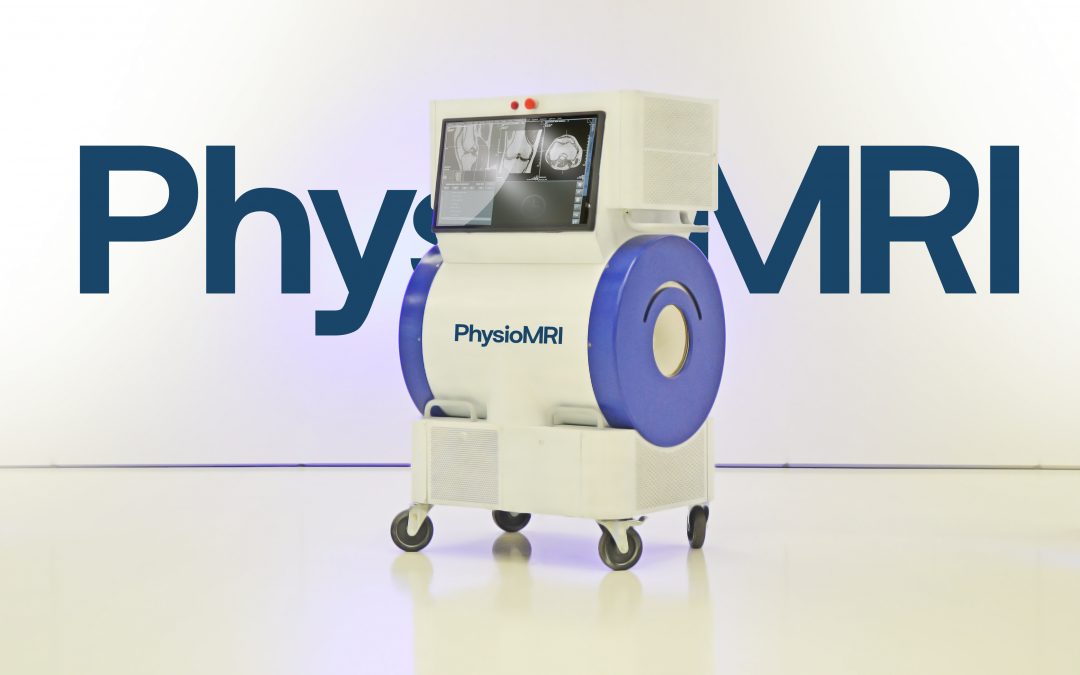
The European Innovation Council has acknowledged PhysioMRI as one of the five most outstanding technological projects in the European Union for its technology, which represents a significant advancement in the field of medicine, offering an innovative and accessible solution for medical diagnosis. PhysioMRI’s innovation, the world’s first portable magnetic resonance imaging machine, stands out in the European medical technology scene.
PhysioMRI, the world’s first portable magnetic resonance imaging machine, has been selected as one of the five most important technological projects in the European Union, as determined by the European Innovation Council (EIC), the European Commission’s program designed to support and drive innovation and cutting-edge research in Europe, to which this technology has captured the attention of health experts from the European Union.
PhysioMRI is not just a magnetic resonance imaging machine; it is a promise of accessibility and efficiency in medical diagnosis. With a portable design and a structure 20 times more economical than traditional machines, this technology challenges the spatial and economic limitations that previously prevented widespread access to magnetic resonance imaging.
The prestige of PhysioMRI has been recognized by the European Commission, which has invited it to participate in VivaTech2024 and Deeptech50 in Paris, two prominent events on the European technology calendar that will take place from May 22nd to 25th in Paris, France, and will bring together over 100 investors to hear presentations from 50 technology startups from across Europe, showcasing the latest trends and studies in the field of health. These invitations as one of the continent’s top five technological projects underscore the impact and potential of PhysioMRI in the healthcare industry.
Alfonso Ríos, CEO of the Valencia-based startup, expressed his pride in PhysioMRI’s recognition as one of Europe’s top technological projects. “It is an honor and a privilege for us at PhysioMRI to be recognized as one of the top five technological projects in Europe. This recognition is a testament to the hard work and dedication of our team in Valencia. We are committed to revolutionizing the field of medicine with our innovative portable magnetic resonance imaging technology and are excited to share our vision at events like VivaTech2024 and Deeptech50, where we hope to connect with investors, industry leaders, and healthcare professionals from around the world.”
BACK TO NEWS
(more…)

by Editorial Team | Mar 11, 2024 | Investors
The basketball world champion and Euroleague player with Valencia Basket, Víctor Claver, has entered as an investor in PhysioMRI, the startup that has created the world’s first portable magnetic resonance device.
The former NBA player joins a list of stars from the world of sports such as Luis Scola or Fernando San Emeterio who have seen a good business opportunity to invest in the field of health linked to sports. “PhysioMRI is a great project that meets the needs of sports clubs for the rapid diagnosis of injuries, and will also allow them to reduce waiting lists in hospitals around the world. Finally, for me trust is important and in this project I I will meet with friends from the world of basketball like San Emeterio and Luis Scola who are also aware of their value in the world in which we operate,” explains Víctor Claver, player for Valencia Basket and the Spanish national team.
For his part, Luis Scola has applauded the entry of the Valencian athlete as an investor in PhysioMRI, in a project that “will have a very positive impact on society and people’s health since it will make magnetic resonance diagnosis available.” . “. of all the world.” Athletes know MRI technology perfectly, as they have used this technique on many occasions but have always had to go to a hospital. With the portable PhysioMRI solution, these machines are 30 times cheaper than the current ones and will be able to have a presence in the medical departments of clubs, physiotherapy clinics or small hospital centers, something that until now was totally impossible. It will revolutionize MRI technology as it is known to date.
Explains Jon Fatelevich, co-founder of the Spanish startup PhysioMRI. A fact as revolutionary as the possibility of democratizing healthcare costs by reducing MRI diagnoses has attracted attention in the sector. The tests carried out in recent weeks show that it can be diagnosed for a price 30 times lower than the current price, and the endorsement of the Higher Council for Scientific Research (CSIC) gives it that halo of a great revolution in the world of health. The first of the PhysioMRI machines are already manufactured and tested on humans, they are in the certification stage and the company estimates that the prevention stage will begin in the first half of 2023.
BACK TO NEWS

(more…)
by Editorial Team | Mar 10, 2024 | General News
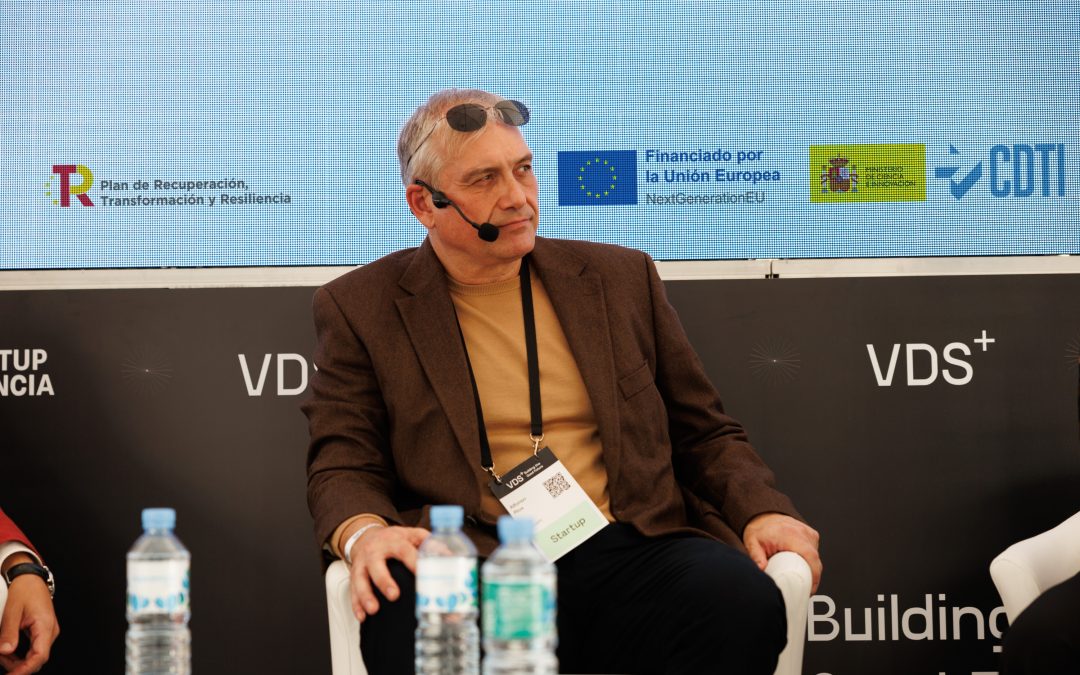
The recent Valencia Summit has witnessed the outstanding participation of PhysioMRI, a leading company in the field of technology applied to medical diagnosis.
The event, which brought together to professionals from various sectors and prominent experts in innovation, served as platform to present and discuss the most recent advances in the field of health and welfare. PhysioMRI, based in Valencia, is proud to have shared its vision and progress in the development of advanced physiotherapy solutions at the Valencia Summit. The company has been at the forefront of the integration of emerging technologies to improve the quality of life of people through more effective and personalized physical therapies.
During his participation in the Valencia Summit, Alfonso Ríos, the manager of PhysioMRI, presented the flagship project, which has captured the attention of the medical community. Participate in Valencia Summit is recognition of the great work and dedication carried out by the entire team of PhysioMRI for all these years.” “We are committed to leading the revolution in MRI technology quality, innovation and excellence in manufacturing “state-of-the-art MRI scanners.” The PhysioMRI project is based on the premise that each patient is unique, and, therefore, Therapies must be tailored to individual needs.
The platform uses algorithms advanced tools to analyze biometric data and create personalized treatment programs that maximize the effectiveness of physical therapy. Alfonso also highlighted the financial support of the CDTI that represents a significant milestone that will enhance the continuous development of the solutions proposed by the company PhysioMRI in the field of medical diagnosis. The approval of aid within the CDTI Neotec program not only validates the vision and PhysioMRI’s commitment to revolutionizing the field of clinical diagnosis through the low-field magnetic resonance technique, but also provides the resources needed to accelerate research and deployment of new functionalities on its platform. This financial support will allow PhysioMRI consolidate its position as a leader in the field of technology applied to diagnosis clinical.
BACK TO NEWS
(more…)

by Editorial Team | Feb 29, 2024 | Investors
The Valencian startup PhysioMRI , which has developed low-field magnetic resonance medical technology, has closed an investment and financing round of 4 million euros . An injection in which it has obtained funds from the Horizon Europe program of the European Union, in addition to the CDTI of the Ministry of Science and Innovation and the Valencian Institute of Finance (IVF), together with previous investors, which include personalities from the world of sport and technology.
Among the investors who are part of the shareholders are recognized basketball figures, such as former NBA players Luis Scola or Víctor Claver . Prestigious businessmen such as Jorge Alonso, Javier Lopezosa, or the Fernández Serosa brothers are also part of it, all of them with experience in the world of sports, the distribution of medical devices and investment in technology, according to the company itself.
PhysioMRI already has a team in operation at the facilities of the Hospital La Fe in Valencia, under a collaboration agreement to improve neural networks and image processing. The company is a leader in the development of low-field MRI devices, priced up to 20 times lower than current devices .
Jon Fatelevich, co-founder of PhysioMRI and leader of the financing and commercialization strategy, explained that “this investment round will allow us to fulfill our ambitious roadmap. In the next 18 months, we will complete CE and FDA certifications and begin manufacturing. of the first generation of our MRI machines.
The company’s intention is to begin selling its product this year, although the first deliveries will be long-term. “The interest from clinics, doctors and even distributors is extraordinary, and in 2023 we will begin the commercialization of our devices, with an estimated delivery date for early 2025,” he explains. This technology has the potential to reduce the cost of testing for patients by 70%.
BACK TO NEWS
(more…)
