For a clinic combining physiotherapy and orthopaedics, referring a patient elsewhere for a magnetic resonance imaging scan is not merely an administrative step. It interrupts the patient care pathway, creates dependence on another centre and reduces the clinic’s control over the patient experience.
The process is usually familiar: consultation, suspected diagnosis, external referral, waiting period, report and a follow-up appointment. During this time, treatment may be delayed and the patient may lose continuity of care within the clinic.
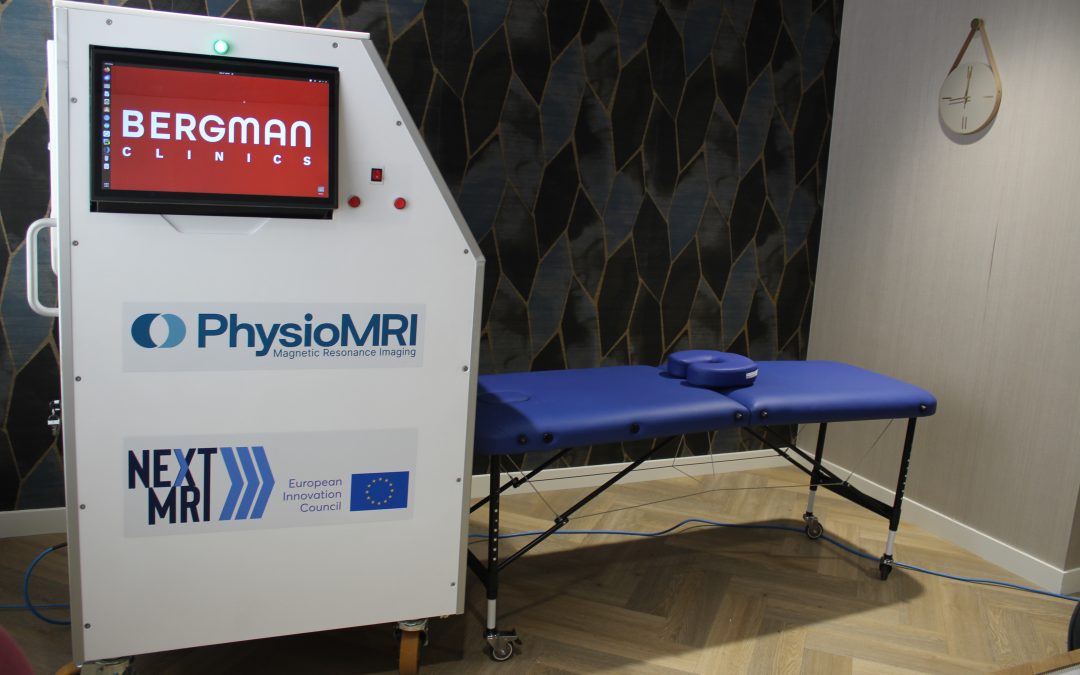
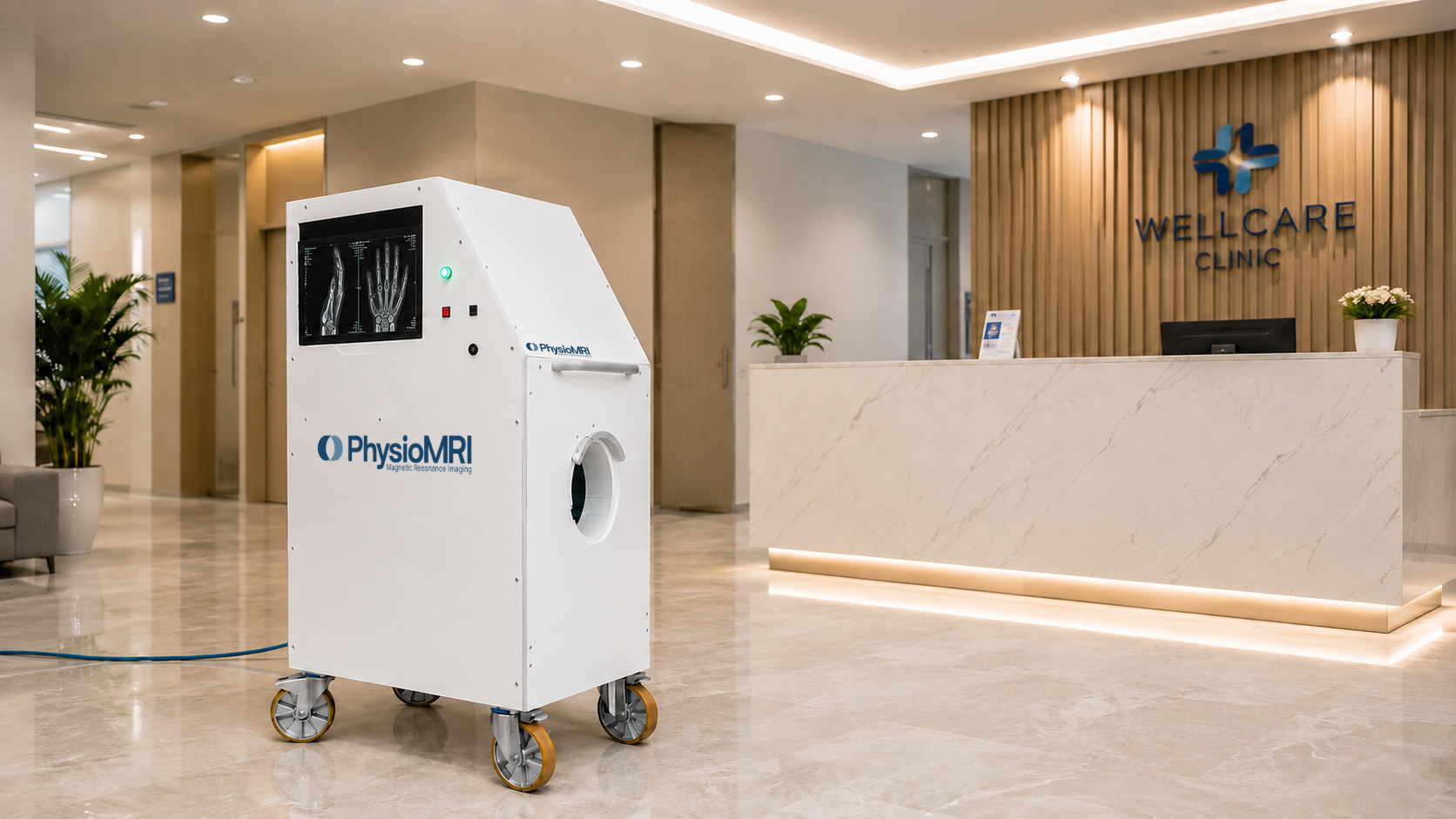
Having an in-house MRI system helps reduce this friction. The orthopaedic specialist can request the scan within the clinic itself, while the physiotherapy team can plan treatment with more information from the outset.
The advantage lies not only in performing the scan sooner, but also in connecting assessment, diagnostic imaging, clinical decision-making and follow-up within a single care pathway.
A pay-per-use model linked to actual activity
The pay-per-use model changes the way diagnostic technology can be incorporated into a clinic. Instead of taking on a high initial investment, the centre pays according to the number of scans performed.
This makes it possible to link the cost of the service directly to the activity generated. Each scan can be assessed easily in terms of revenue per examination, cost per use and resulting margin.
In addition, the clinic retains an activity that was previously referred to another centre and strengthens other associated services, such as orthopaedic consultations, rehabilitation programmes and follow-up appointments.
The return does not depend solely on the margin generated by each scan. It also includes reducing missed opportunities, maintaining continuity of care within the centre and turning an initial consultation into a more comprehensive treatment plan.
A visible difference compared with other centres
In a market where many clinics offer similar services, having an in-house MRI system can become a clear differentiating factor.
For patients, it means fewer journeys and shorter waiting times. For healthcare professionals, it provides more information on which to base their decisions. For the clinic, it represents a new area of activity and greater control over the patient care pathway.
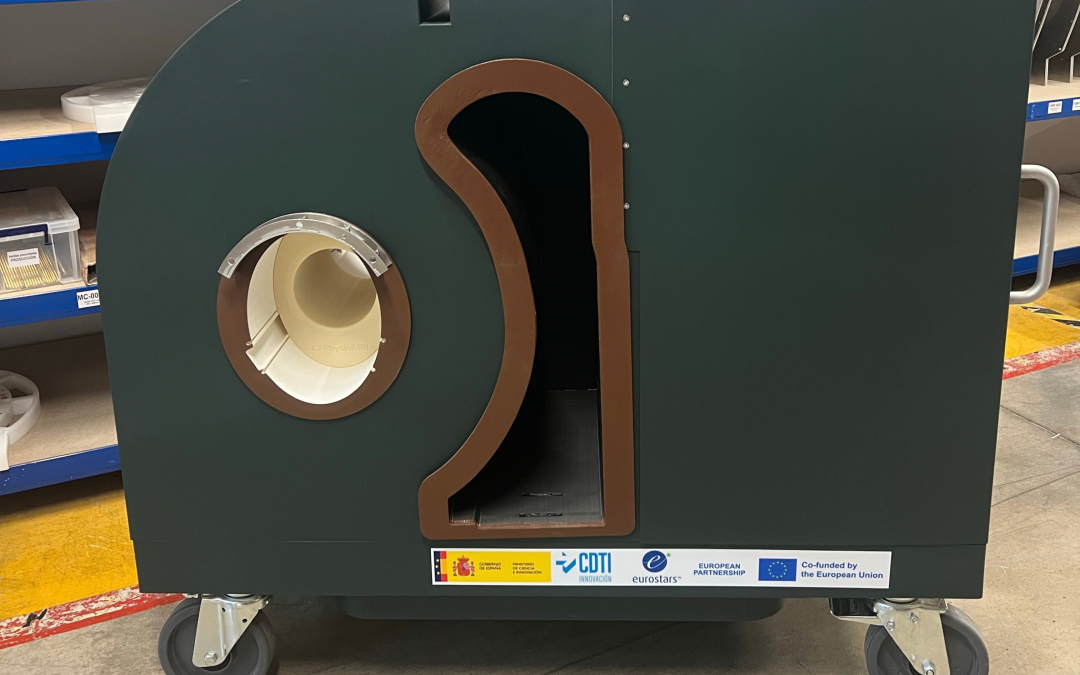
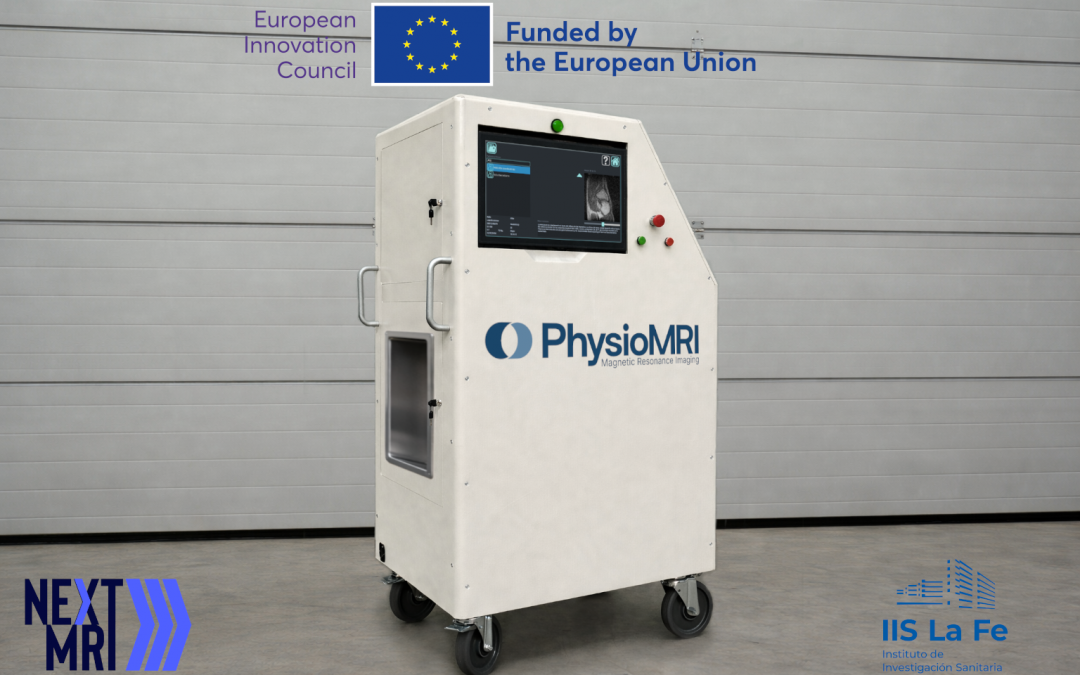
PhysioMRI brings magnetic resonance imaging closer to physiotherapy and orthopaedic clinics through a flexible model designed to facilitate access to musculoskeletal imaging within the clinic itself.
Discover how to integrate PhysioMRI into your clinic
If your clinic still refers patients elsewhere for MRI scans, it may be time to consider a more streamlined alternative.
Discover how to integrate PhysioMRI into your clinic through a pay-per-use model and request further information through our pre-sale landing page.